

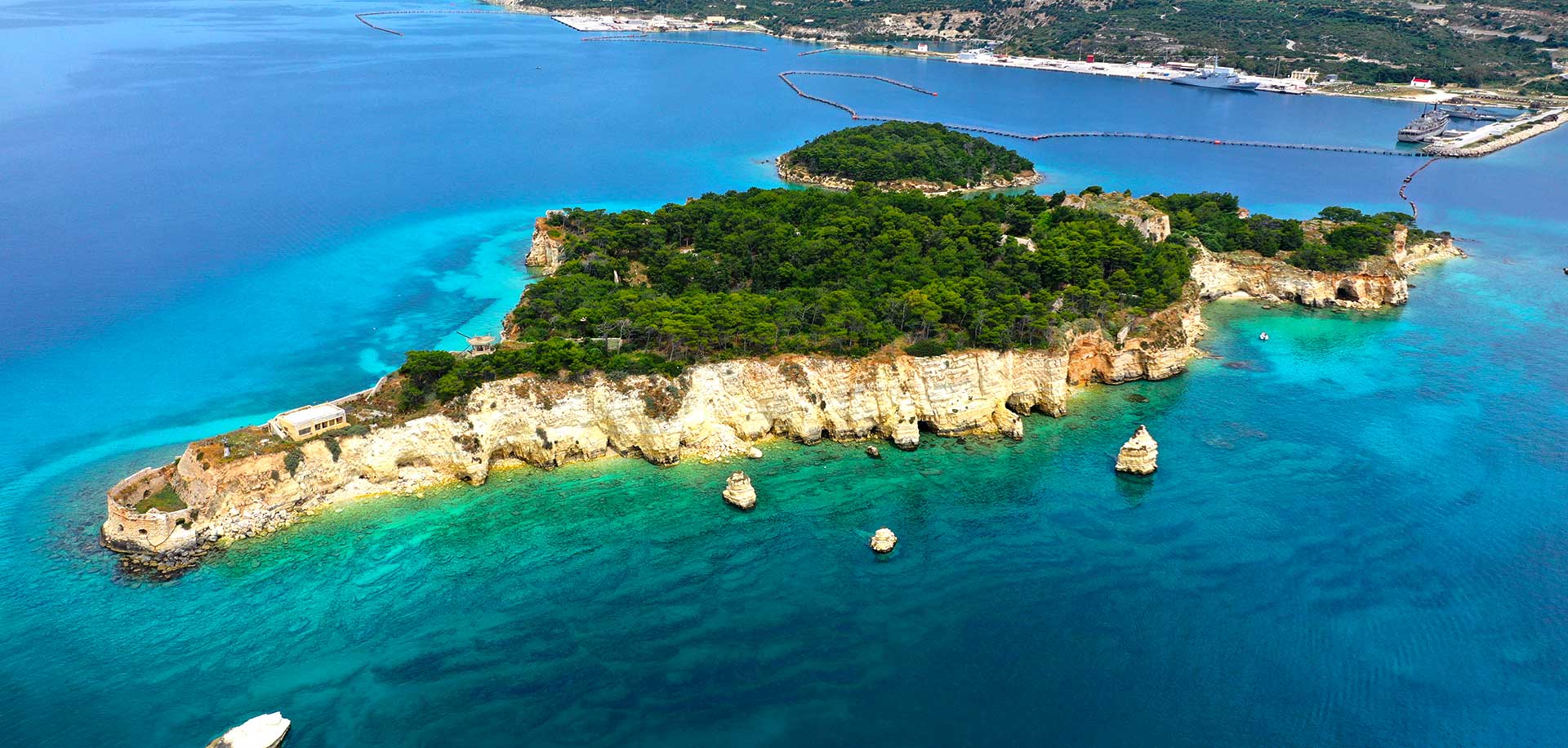
During a period of intense conflict and shifting powers in the Eastern Mediterranean, Souda Fortress emerged as a cornerstone of Venetian maritime defense. The need to secure key sea routes and coastal cities led the Republic of Venice to fortify crucial points across Crete. One of the most significant of these efforts was the construction of the Souda Fortress, a heavily fortified installation that occupied the entire Island of Souda. This impressive stronghold reinforced Venetian control over the region amid growing Ottoman pressure. Notably, the Venetians nicknamed it the “Eye of the Kingdom”, reflecting its vital role in their extensive maritime defense network.
Construction and Design of the Souda Fortress
Constructed between 1572 and 1583, the Souda Fortress was designed by Latino Orsini to defend the bay from enemy fleets and rampant piracy. Thanks to its strategic location and advanced design, it became an essential component in safeguarding both the port of Souda and the nearby city of Chania—especially before the later construction of the Izzeddin Fortress. Moreover, its perimeter enclosed nearly the entire island, except for the eastern side, forming a formidable defensive barrier against naval assaults.
Spanning approximately 85 acres, the stronghold featured an intricate system of fortifications, including five bastions strategically positioned to exploit the island’s natural terrain. Inside its robust walls, the fortress contained essential facilities: ammunition depots, water reservoirs, residential quarters, a prison, a hospital, and several churches serving both Orthodox and Western Christian communities.
Consequently, Souda Fortress was not only a defensive structure but also a self-sufficient settlement, capable of withstanding long and grueling sieges.
From Monastic Islet to Military Stronghold
Before its transformation into a fortress, the islet was known as Fraronisi, named after a monastery dedicated to St. Nicholas that once stood there. However, following the Venetian fortification, the islet adopted the name Souda, after the surrounding bay. This marked a profound shift in the island’s identity—from a place of worship to one of strategic military might.
Historically, Souda Fortress boasted one of the most resilient defensive positions in Greek territory against Ottoman incursions. During the prolonged Turkish occupation of Crete, the islet uniquely remained under Venetian control, serving as a safe haven for Cretan revolutionaries involved in liberation efforts. Nevertheless, the Ottomans eventually seized the fortress, maintaining a military garrison there until 1898. Even so, the Souda Fortress continued to symbolize endurance and resistance throughout Crete’s turbulent history.
Modern History and Preservation
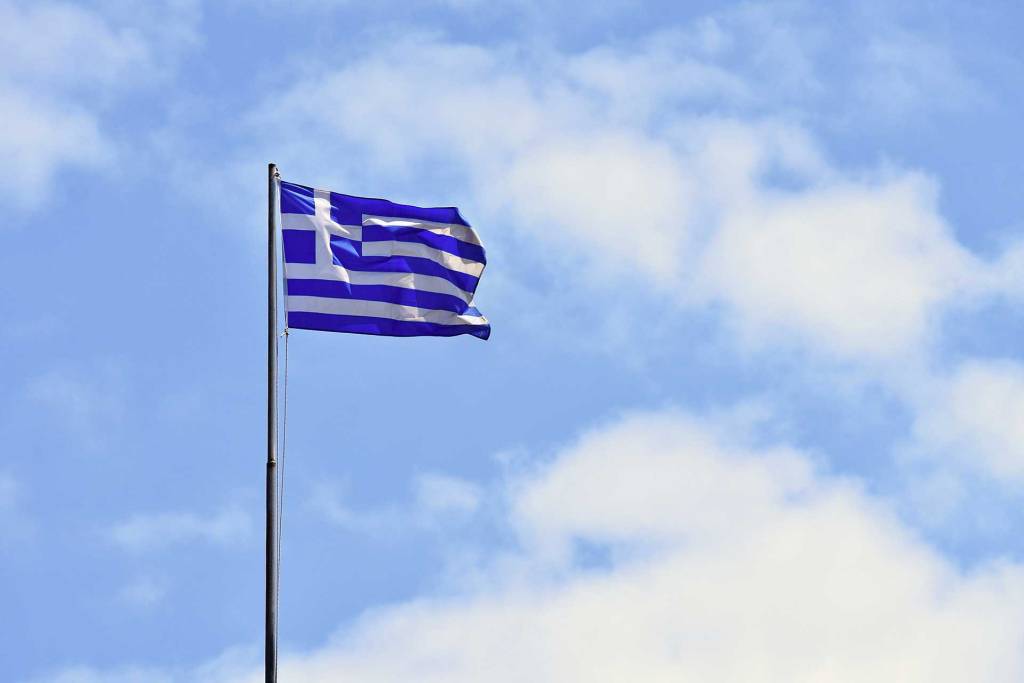
In more recent times, a defining moment occurred on February 1, 1913, when the Greek flag was first raised on the islet, symbolizing the impending unification of Crete with Greece. The island remained under military jurisdiction for much of the 20th century. Later, in 1966, the Hellenic Navy initiated a reforestation program, planting trees on the previously barren terrain.
Finally, in 2007, public access to the Souda Fortress was officially permitted twice a week, through collaboration between the Greek Navy, local authorities, and the archaeological service. This initiative allowed visitors to explore one of Crete’s most historically rich and architecturally impressive fortresses.
Today, Souda Fortress stands not only as a monument of Venetian engineering but also as a symbol of resilience, faith, and unity. With its well-preserved walls and sweeping views over the bay of Souda, it remains an unmissable destination for history enthusiasts exploring Chania and Western Crete.