

Gastronomy in Chania
Gastronomy in Chania is a vibrant celebration of flavors shaped by the rich traditions of the Cretan diet and the heartfelt hospitality of the Cretan people. From the bustling markets to family-run Chania restaurants, the region invites visitors to discover traditional Cretan food, join immersive Chania food tours, and savor iconic dishes like Cretan dakos, Cretan salad, or homemade kalitsounia. For anyone wondering what to eat in Chania, this is where true Cretan food culture comes alive.
The Central Role of Olive Oil in Local Gastronomy
One of the most defining features of Cretan cuisine is the generous use of extra virgin olive oil. Locally produced and central to the Cretan diet, this golden ingredient appears in nearly every dish. Not only is it used in cooking, but it is also served with fresh bread or Cretan rusk, often as a welcoming gesture in tavernas—an authentic reflection of how essential olive oil is in daily Cretan food culture.
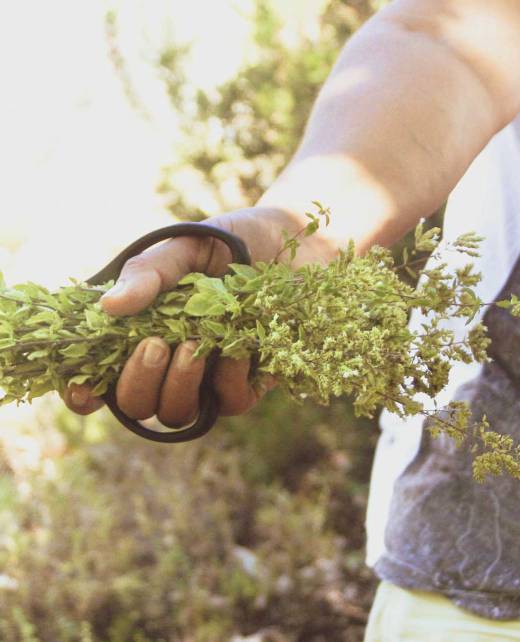
Aromatic Herbs and Fresh Vegetables
Cretan cuisine is enhanced by aromatic herbs like oregano, thyme, arisari, malotira, marjoram, and sage. These herbs elevate the flavors of wild greens, legumes, and vegetables.
During summer, tomatoes and fava beans take center stage, forming the base of many beloved dishes—including variations of Cretan salad, often topped with tomatoes, cheese, and Cretan dakos.
Signature Dishes of Chania
If you’re exploring local cuisine or joining Chania food tours, here are must-try dishes that reflect the depth of Cretan gastronomy:
- Cretan Dakos – Barley Cretan rusk topped with tomatoes and cheese
- Kalitsounia: Small pastries filled with cheese or aromatic herbs
- Marathopita: Fennel pies with a delicate, savory taste
- Stuffed zucchini blossoms: A summer delicacy
- Snails boubouristi: Snails fried with rosemary and vinegar
- Skioufichta: Handmade pasta typically served with cheese or meat sauce
- Tsigariasto: Slow-cooked lamb, rich in flavor
- Apaki: Cold meat mainly made from pork
- Staka: Traditional Cretan cream made from sheep or goat’s milk, usually combined with eggs or fried potatoes
- Boureki: A baked dish made with zucchini, potatoes, and cheese
- Antikristo: An ancient method of slow-roasting lamb next to an open fire, typically seasoned with only salt, allowing the natural flavor of the meat to shine
- Stamnagathi: a bitter salad green native to Crete
- Gamopilafo: A traditional risotto made with meat broth – lamb and/or chicken – and butter, traditionally served at weddings and ‘panigiria’ (Cretan summer festivals)
These dishes define traditional Cretan food and appear in many Chania restaurants, making them essential parts of every culinary journey.
Cretan Gastronomy: Meats, Seafood, and Dairy
Chania’s meat dishes often feature lamb and goat, usually grilled or slow-cooked with lemon and wild mountain herbs. Thanks to the region’s coastal location, fresh seafood is also widely available. Fish, octopus, squid, and sea urchins are commonly grilled or used in stews and pasta.
Dairy products like graviera, anthotyros, and mizithra cheeses add unique flavor and texture to many recipes. Xinochondros, a traditional fermented blend of cracked wheat and soured milk, is also commonly used in soups and stews, contributing a tangy, comforting depth to rural dishes.
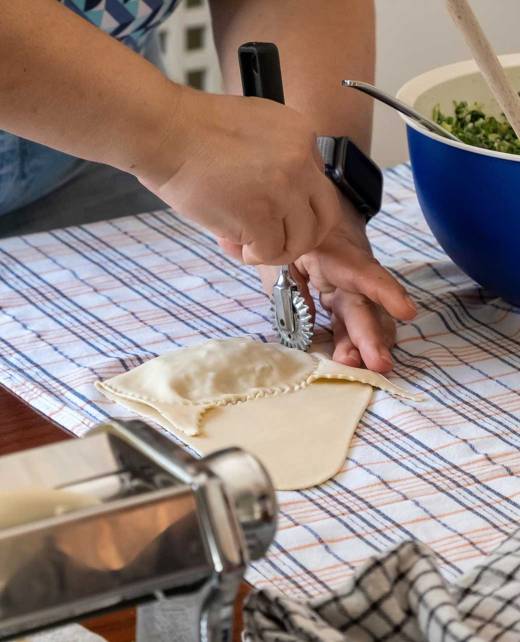
Culinary Experiences in Chania
Beyond dining, visitors can immerse themselves in Cretan gastronomy experiences through cooking classes, olive oil tastings, and wine tours.
A Chania food tour is one of the best ways to understand how locals produce, prepare, and enjoy their food.
These hands-on activities connect travelers directly with the flavors and history of the region.
Sweet Traditions and Local Desserts of the Cretan Gastronomy
Chania is renowned for its thyme honey, a key ingredient in many traditional desserts. Sweets to look out for include:
- Xerotigana: Spiral-shaped pastries soaked in honey, typically served at weddings and baptisms
- Moustalevria: A grape must pudding
- Sfakian pie: A thin cheese pie often topped with honey
- Bougatsa: A beloved local version of bougatsa, made with creamy semolina custard wrapped in thin pastry and dusted with sugar and cinnamon, famously served at the iconic Bougatsa Iordanis shop in Chania Center
- Avgokalamara: A traditional sweet made with egg and syrup, known for its rich flavor and soft, syrupy texture
A Culinary Expression of Cretan Culture
Food in Chania is more than nourishment—it’s a symbol of culture, community, and hospitality. Whether you enjoy rustic meals in a mountain village or fresh seafood at the Old Harbor, Cretan food offers an authentic and heartfelt taste of Crete.
Local Drinks and Dining Customs
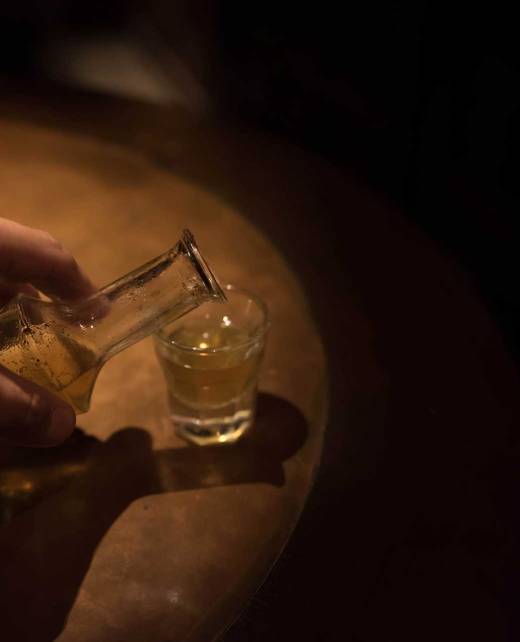
No meal in Chania is complete without a taste of the region’s drinks. Alongside raki (tsikoudia), diners can enjoy rakomelo (raki infused with honey and spices) and robust local wines like romeiko, especially popular in the mountain villages.
It’s also customary for taverns to offer guests a complimentary dessert and a glass of raki before they leave—a sweet way to end a meal.