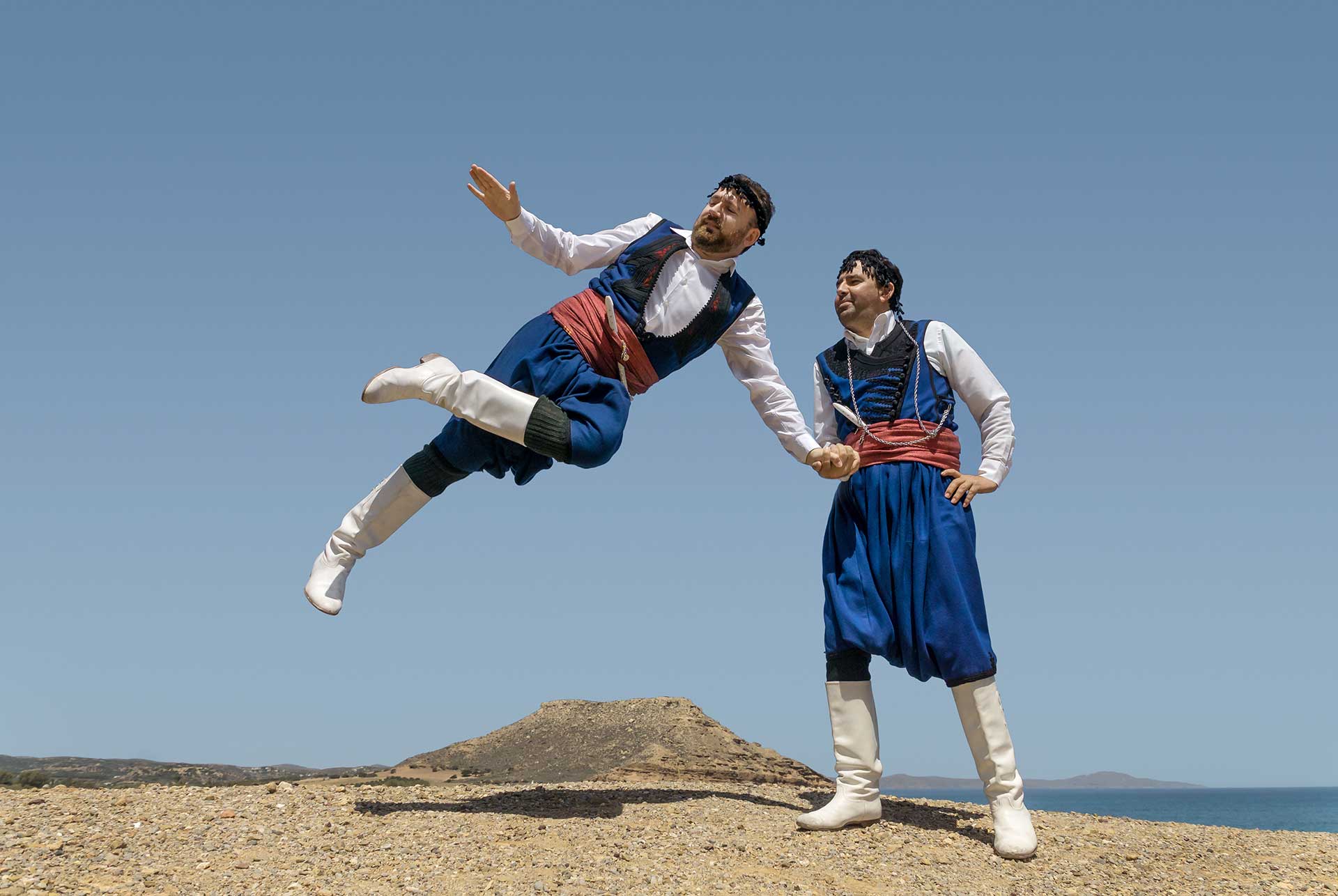
Chania is renowned for its vibrant traditional music, which forms an integral part of the region’s cultural heritage. Indeed, Cretan music, deeply intertwined with the island’s heritage, plays a crucial role in shaping the identity of Chania. In fact, it serves as a living expression of local traditions, offering a window into the community’s values and way of life.
Moreover, this form of Crete music seamlessly blends ancient Greek traditions with influences from diverse civilizations, reflecting the island’s rich and varied history. Over the centuries, the tunes, often carried through generations, have formed the backbone of many local celebrations, festivals, and daily life. Thus, traditional Cretan music continues to connect people through rhythm, melody, and emotion.

Iconic Instruments of Cretan Music
Central to the traditional music of Chania are its unique instruments, which contribute to the distinctive sound of Crete music. Among the most iconic instruments are the lyra, a three-stringed bowed instrument, and the laouto, a traditional stringed instrument similar to a lute.
Together, these instruments are often played in ensembles, creating the vibrant and rhythmic sound that accompanies folk dances and songs. Additionally, other commonly used instruments include the mandolin, the askomandoura (a type of bagpipe), and various percussion instruments like the daouli, which add dynamic rhythm to performances. Consequently, these elements combine to form the unique soundscape that defines Cretan music.
Live Music and Local Festivities
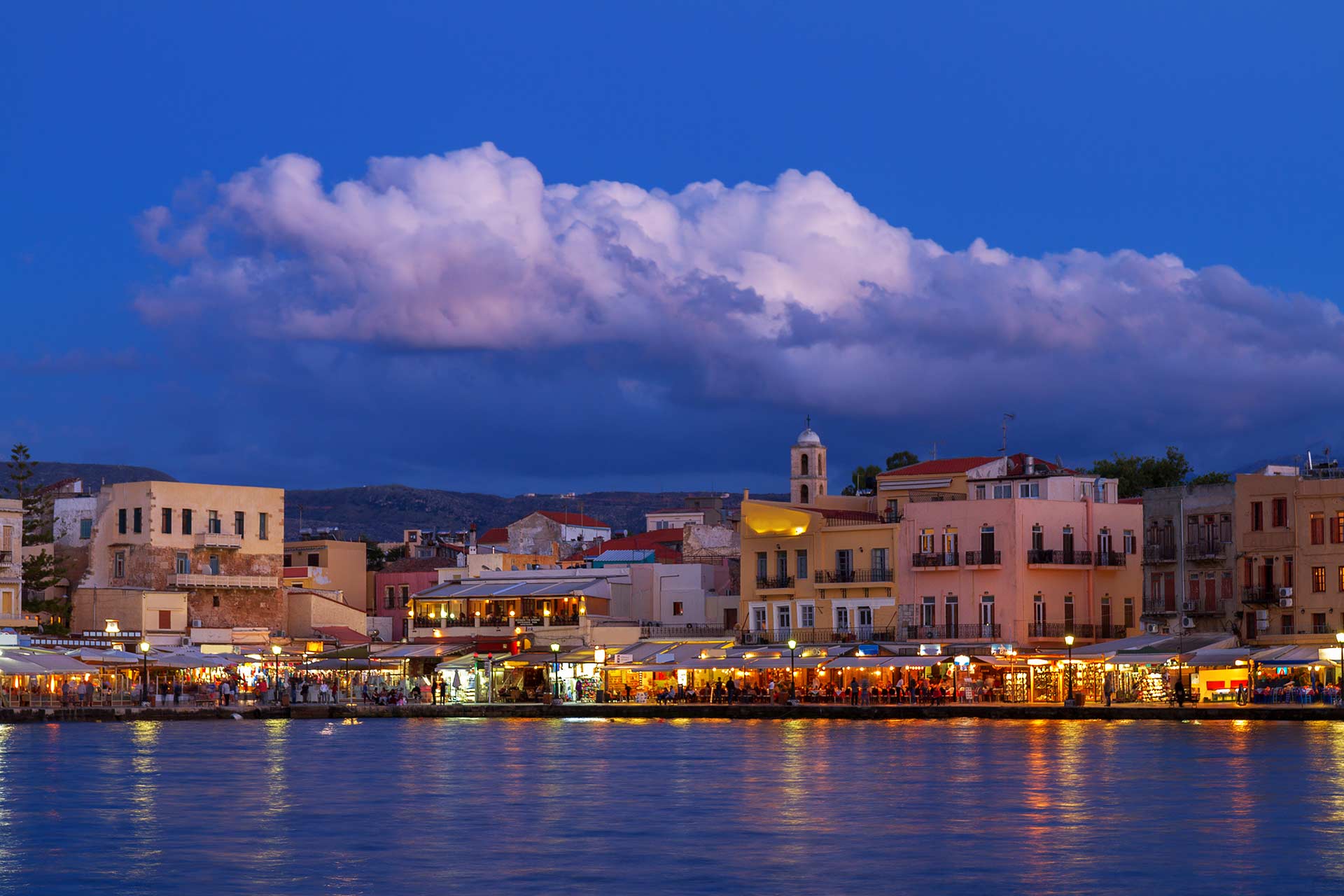
Furthermore, many restaurants and bars in Chania offer live music performances, especially in the evenings. These allow visitors to enjoy authentic Cretan sounds in a relaxed setting. During the lively summer season, traditional panigiria (village festivals) are held throughout the region, where locals and visitors gather to celebrate. Therefore, these events are among the best opportunities to experience Crete music in its most communal and spirited form. In addition, local musicians often perform spontaneous sessions, encouraging visitors to participate and dance. Through such experiences, Cretan music transcends being just entertainment—it becomes a shared cultural celebration that unites everyone.
Rizitika and Mantinada: Heart of the Cretan Soul
Cretan music is deeply tied to the rizitika and mantinada, two of the island’s most beloved forms of musical expression. To begin with, rizitika are a cappella songs considered the most ancient type of music in Crete. They capture the emotions and daily experiences of Cretans. Often, these songs focus on themes of love, honor, and significant historical events, offering a powerful connection to the island’s cultural roots and traditions.
Meanwhile, the mantinada, a type of poetry set to music, is known for its rhyming couplets and serves as a popular way to express personal feelings or engage in witty banter. Performed spontaneously and interactively, mantinades are a staple of local gatherings and celebrations. Ultimately, both rizitika and mantinada showcase the expressive depth and poetic nature of Crete music, ensuring that these age-old traditions continue to inspire new generations.