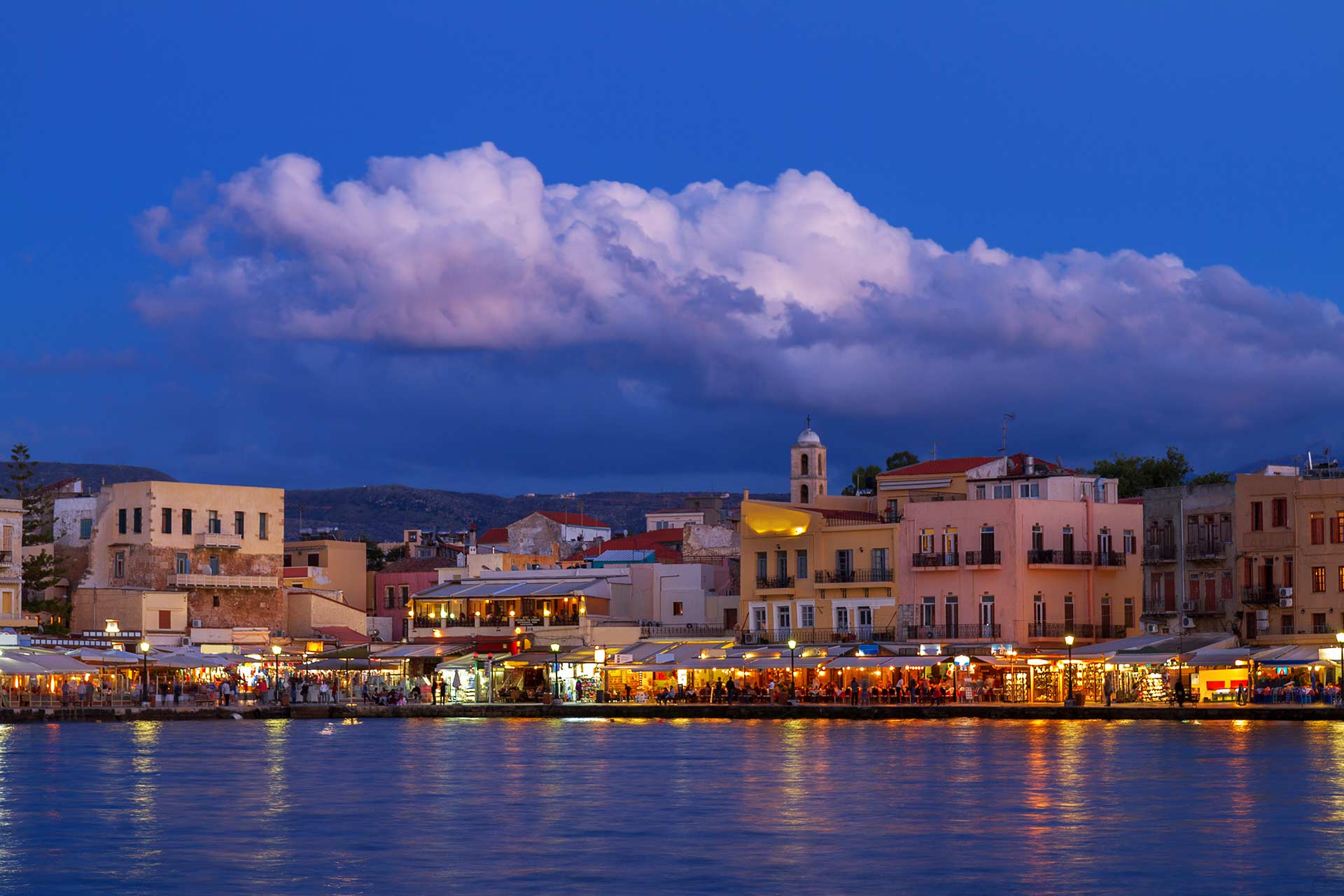
The architecture of Chania reflects its long and diverse history, offering a fascinating blend of styles shaped by centuries of cultural influence. From ancient settlements to more recent periods, each era has left its mark on the city’s buildings, public spaces, and neighborhoods. Therefore, this rich architectural heritage makes Chania one of the most visually distinctive towns in Crete and an essential destination for those interested in Crete architecture.
Traditional Stone Houses and Narrow Alleys of Old Town
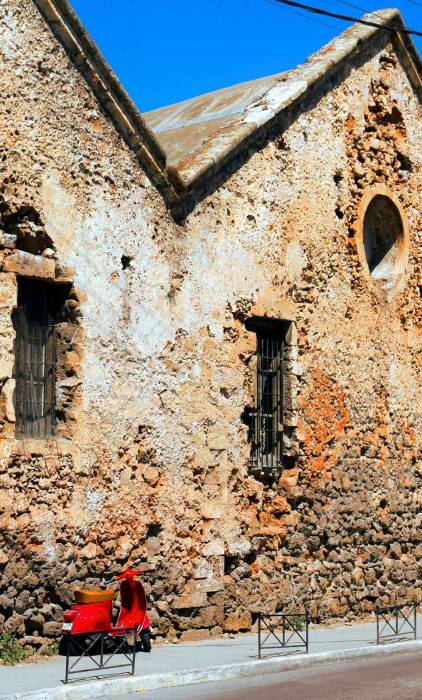
In the heart of Chania’s Old Town, visitors will find narrow alleys and stone houses that showcase the region’s use of local materials and craftsmanship. These structures not only reflect the island’s resourcefulness but also help preserve a timeless atmosphere that characterizes Crete architecture. Meanwhile, traditional homes with balconies, colorful facades, and small courtyards are characteristic features that contribute to the area’s charm.
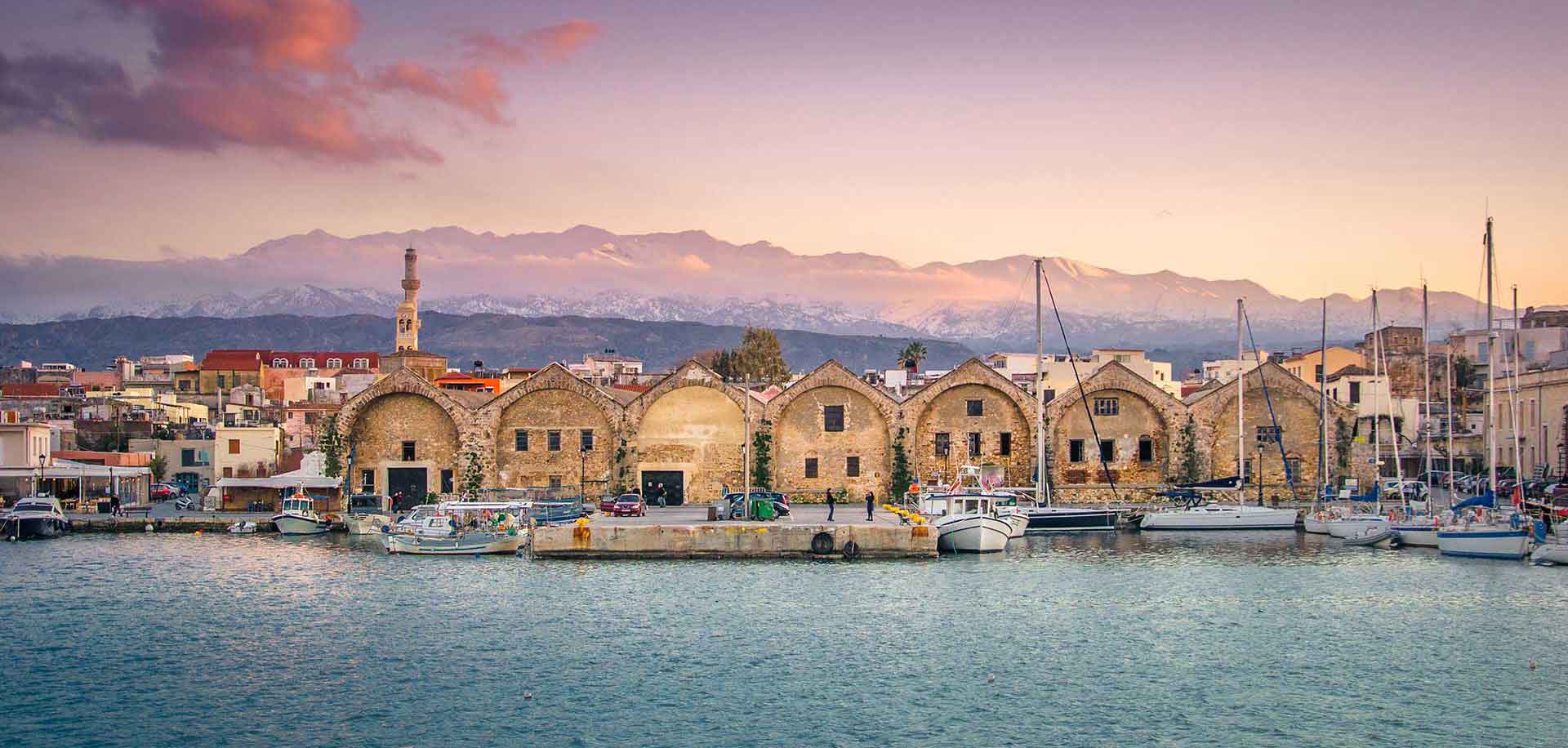
One of the most notable and enduring influences on the architecture of Chania stems from the Venetian period. This era significantly shaped the layout and design of the Old Town, introducing elegant arches, imposing buildings, and carefully planned public spaces. These features remain defining aspects of the city’s urban identity and an integral chapter in the story of Crete architecture.
The Ottoman period also left a lasting mark on Chania architecture, adding an Eastern dimension to its appearance. Notable structures include the Küçük Hasan Pasha Mosque on the Venetian harbor, old hamams (public bathhouses), and slender minarets that rise above the rooftops. These buildings offer a glimpse into the city’s multicultural history and reflect centuries of coexistence between different cultural and religious groups.
Exploring the Layers of Chania’s Architectural Heritage
Together, these historical influences form a unique and vibrant urban environment that reflects the evolution of Crete architecture. Whether you are strolling along the waterfront, wandering through the cobblestone streets of old neighborhoods, or visiting well-preserved landmarks, the architecture of Chania offers a profound insight into the island’s layered past.
In conclusion, it is not just a visual experience but a cultural journey through time — one that connects visitors with the creative spirit and architectural soul of Crete.