

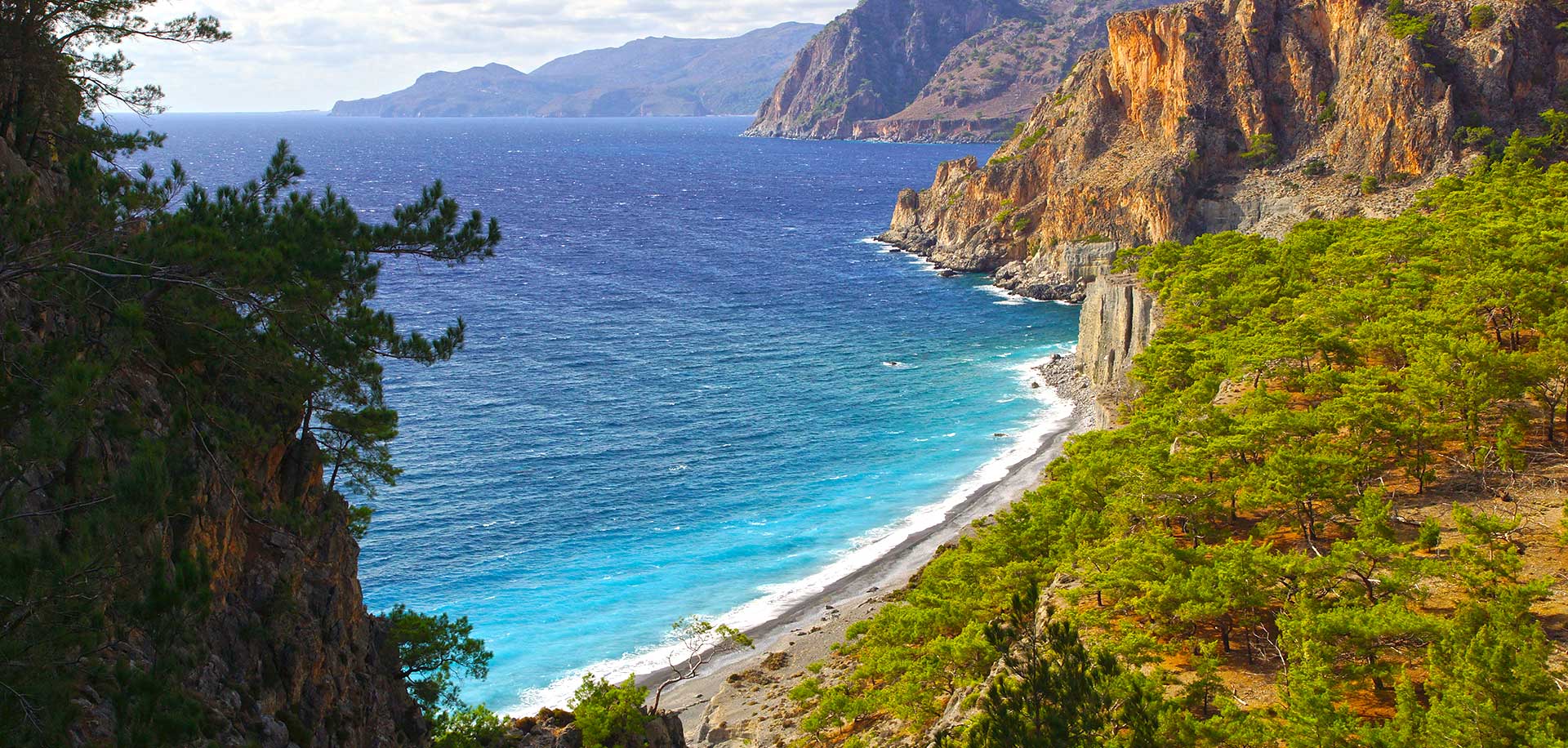
Klados Gorge is one of the most perilous and inaccessible gorges in Crete. Located in the southwestern part of the island – in the Sfakia region – it offers a wild and untouched landscape. The terrain is exceptionally rugged, featuring steep slopes, unstable ground, and minimal signage, making navigation exceedingly challenging. Certain sections necessitate the use of climbing ropes for safety. Therefore, only well-prepared, experienced hikers with appropriate gear and knowledge should attempt to cross it.
The most common approach is from the beach of Domata, which can be reached by boat from the villages of Sougia or Agia Roumeli. From Domata, hikers can ascend into the gorge, navigating increasingly narrow walls and impressive scenery until reaching a steep waterfall known as Letzara. For those without technical climbing expertise, it is advisable to explore the lower sections of the gorge from Domata Beach and return via the same route to ensure safety.
HIGHLIGHTS | OPENING TIMES | DIFFICULTY LEVEL | ESSENTIAL EQUIPMENT | SAFETY TIPS | MAP
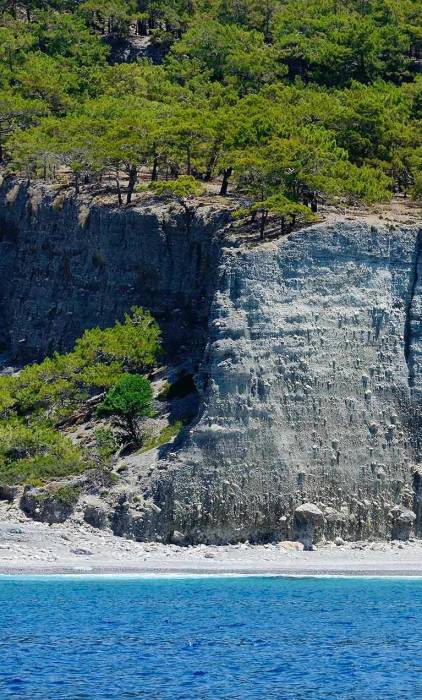
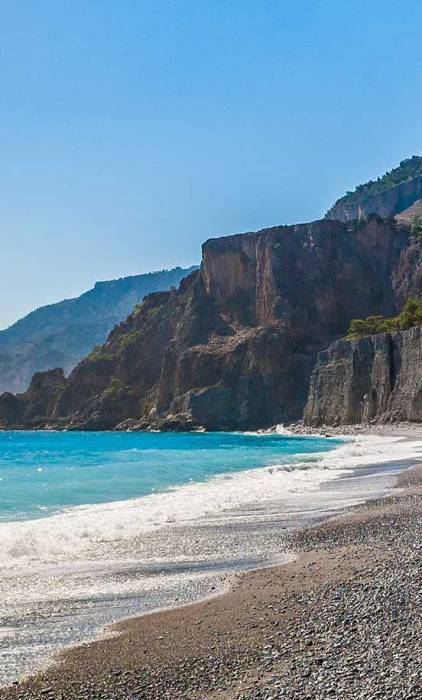
Gorge Highlights
- Spectacular rock formations and cliffs
- Wild and untouched nature
- Few visitors, providing a sense of isolation and serenity
Opening Times
The Gorge is open all year round, but the best time to hike is from June to September. The peak season is during the summer months, July and August, though Klados remains relatively uncrowded due to its difficulty level. Avoid hiking after heavy rains, as the terrain can become dangerous.
Difficulty Level
Klados Gorge is considered dangerous and difficult, so it is only recommended for experienced hikers. The terrain is rocky, steep, and often challenging, requiring good physical fitness and navigation skills.
Due to these hazardous conditions, attempting to traverse Klados Gorge without an experienced guide is strongly discouraged. Even with professional assistance, the journey remains arduous and is recommended only for highly skilled and well-prepared adventurers. The gorge’s remote nature and technical demands mean that it is not suitable for casual hikers.
For those interested in exploring Crete’s natural beauty, alternative gorges such as Samaria or Imbros offer safer and more accessible experiences. These routes provide stunning landscapes without the extreme risks associated with Klados Gorge.
Essential Equipment for the Hike
- Sturdy hiking boots with a good grip
- Lightweight but durable backpack
- Ample water supply
- High-energy snacks and food
- Sun protection (hat, sunscreen, sunglasses)
- Trekking poles for stability
- A fully charged mobile phone and/or GPS device
- A first-aid kit
Safety Rules & Tips
Before attempting any excursion into Klados Gorge, thorough preparation is essential. This includes consulting with local guides, informing others of your plans, checking weather conditions, and ensuring you have the necessary equipment and physical readiness for a demanding and potentially hazardous trek.
- Do not hike alone—always go with a group or an experienced guide.
- Check the weather before starting your hike.
- Start early to ensure you finish before dark.
- Bring extra supplies, as there are no facilities along the way.
- Be prepared for unstable rocks and steep descents.
- Do not cross it if you are afraid of heights.