How Is Ohi Day Celebrated in Chania?
Ohi Day is marked throughout Crete. Celebrations include school events, flag-raising ceremonies, church services, wreath-laying ceremonies at war memorials, and parades. The celebrations begin on October 27, when schools across Greece hold events to mark the national anniversary. The main parade and official ceremonies take place on October 28.
The Ohi Day Parade and Official Ceremonies in Chania
If you are visiting Chania in late October, Ohi Day offers an opportunity to see an important part of Greek national life. The celebrations bring together students, local organizations, cultural associations, and representatives of the Armed Forces.
For October 28, 2026, the official program in Chania is scheduled as follows:
- 7:30 a.m. – Church bells: Church bells ring to mark the beginning of the day’s celebrations.
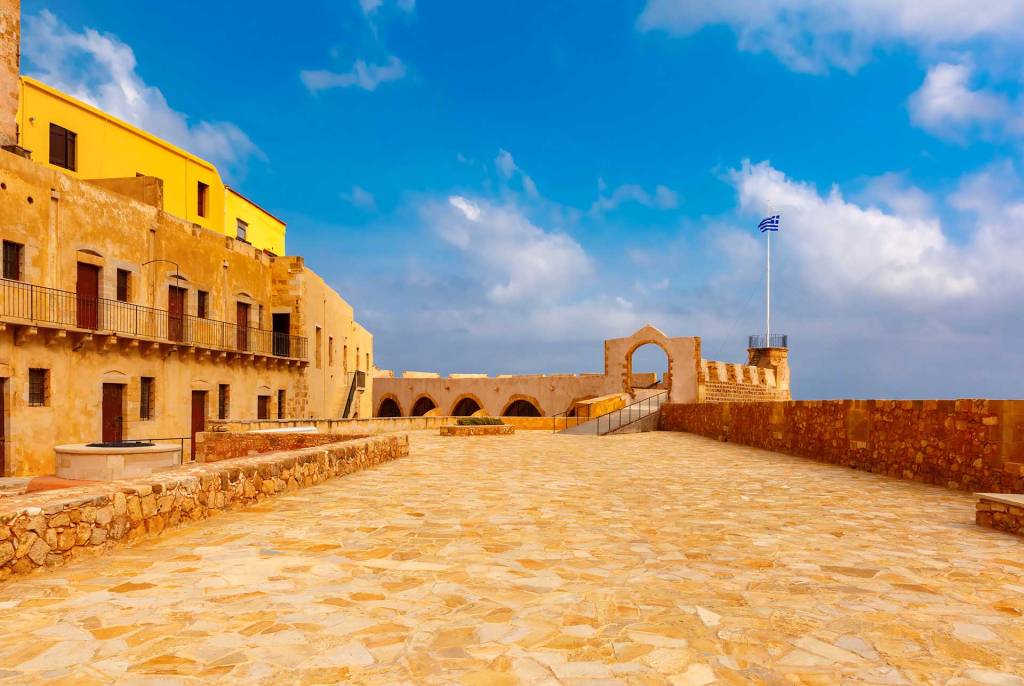
- 8:00 a.m. – Flag-raising ceremony: The Greek flag is officially raised at Firkas Fortress, near the Venetian Harbor.
- 10:45 a.m. – Thanksgiving service: The official religious service takes place at the Holy Metropolitan Church of the Presentation of the Virgin Mary, also known as Trimartiri, in Chania’s Old Town.
- 11:40 a.m. – Memorial ceremony: A memorial prayer is held at the city’s War Memorial in the ‘Clock Area’ by the Municipal Garden, followed by the laying of wreaths. The ceremony concludes with a minute of silence in memory of those who died for their country and the playing of the Greek National Anthem.
- 12:00 p.m. – Main parade: The Ohi Day parade begins in Chania Town, on Andrea Papandreou Street.
- 5:30 p.m. – Flag-lowering ceremony: The day’s official program concludes with the lowering of the Greek flag at Firkas Fortress.
The schedule may be subject to change, so check the latest local announcements before your visit.
Who Takes Part in the Parade?
The parade features a range of participants representing the local community and Greek society. These typically include:
- Elementary and high school students: Children and teenagers march in organized groups, often wearing school uniforms.
- Scouts and Guides: Members of youth organizations take part in the celebrations.
- Cultural associations, clubs, and organizations: Local groups represent different aspects of community life.
- Traditional associations: Participants may wear traditional Cretan costumes, showcasing the island’s cultural heritage.
- The Armed Forces: Military units participate in the official parade.
Allow time to find a suitable viewing spot before noon, as central streets can become crowded.
How long does the parade last?
There is no fixed duration every year. The length depends on the number of participating groups and the official program. Allow approximately one to two hours for the ceremony and parade if you want to watch without rushing to your next activity. Arrive early if you want a good viewing position, particularly near the central parade route. Streets around the event may become crowded, and temporary traffic restrictions can affect access.
Flags, Illuminated Buildings, and Evening Celebrations
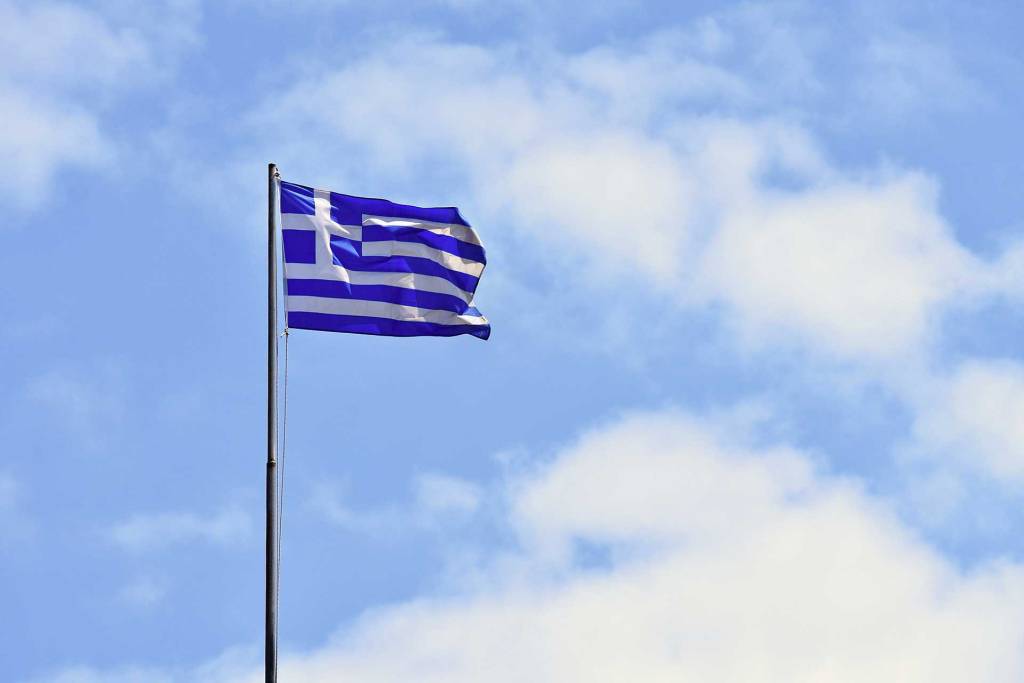
Ohi Day is also marked throughout the city with public displays of the Greek flag. Flags are flown at public and municipal buildings, organizations, and ships docked in the ports of Chania and Souda. On the evenings of October 27 and 28, public and municipal buildings, banks, and Navy vessels in Souda’s port are illuminated as part of the national celebrations.
These details add to the atmosphere of the holiday and offer visitors another way to observe how the anniversary is marked across Chania, beyond the main parade.
What Changes in Chania on October 28?
October 28 is a national public holiday in Greece. Although many businesses and public services follow different schedules, visitors can still enjoy Chania’s historic center, local cafés, restaurants, and selected cultural attractions.
Shops, Banks, and Public Services
Most public offices and banks are closed for the national holiday, and many ordinary retail shops do not open. Restaurants, cafés, bakeries, and businesses serving visitors may operate, but opening hours vary.
Travel tip: Arrange essential shopping in advance and check directly with any business you plan to visit.
Public Transport and Road Closures
Public transport may follow a holiday timetable, while temporary road closures and traffic diversions can affect central Chania during the parade. If you are staying near the Old Town or Venetian Harbor, walking to the celebrations is often the most convenient option. If you plan to travel outside the city, check bus schedules and allow extra time.
Museums and Archaeological Sites
October 28 is also a free-admission day at eligible state-run archaeological sites, historical sites, monuments, and museums managed by the Greek Ministry of Culture. This can be a good opportunity to include a cultural visit in your itinerary. However, check the opening hours of your chosen attraction before setting off, as free admission does not guarantee that every site will be open.