What Happens During the Olive Harvest?
Olive harvesting is an important part of the agricultural calendar in Crete. Although the work may look simple from a distance, producing good-quality olive oil requires careful timing and handling.
Picking the Olives
Depending on the grove and the producer’s approach, olives may be collected by hand or with the help of mechanical harvesting tools. Nets are spread beneath the trees to catch the fruit as it falls, making it easier to gather the crop without leaving olives scattered across the ground.
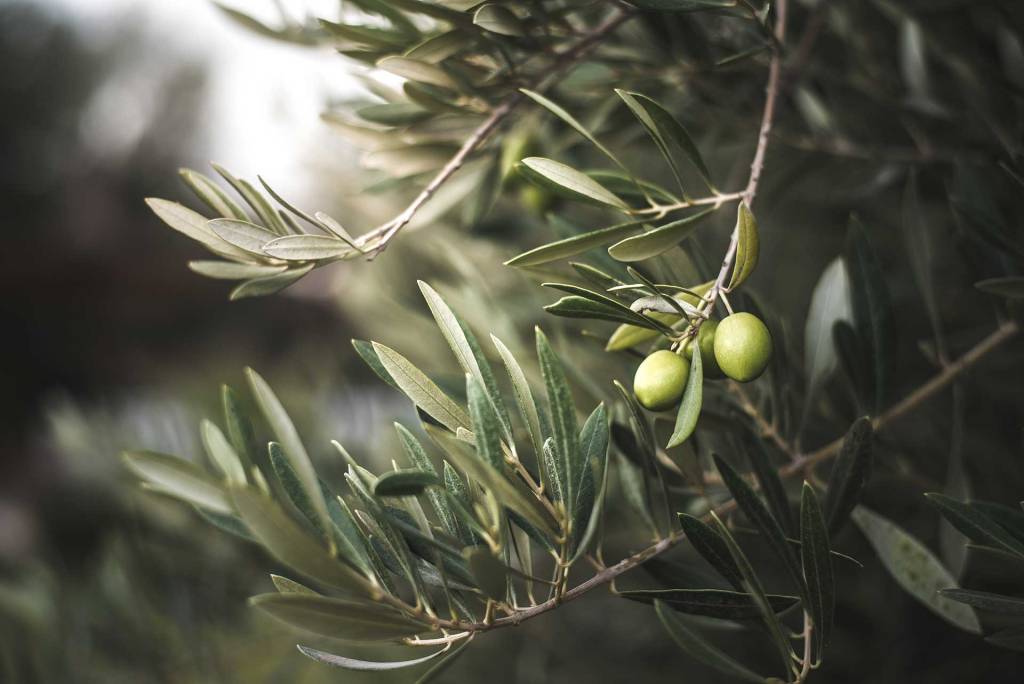
The degree of ripeness matters. Less mature olives can produce a greener, more intense oil, while riper fruit generally releases oil more easily. However, olives that become too soft are more vulnerable to bruising and deterioration. Careful harvesting and handling help protect the quality of the final product.
From the Olive Grove to the Mill
Once collected, the olives are transported to an olive mill, where they are cleaned, crushed, and processed to extract the oil. Producers aim to process the fruit promptly after harvesting because prolonged storage, heat, and poor ventilation can negatively affect its quality.
Why Is Extra Virgin Olive Oil So Important in Crete?
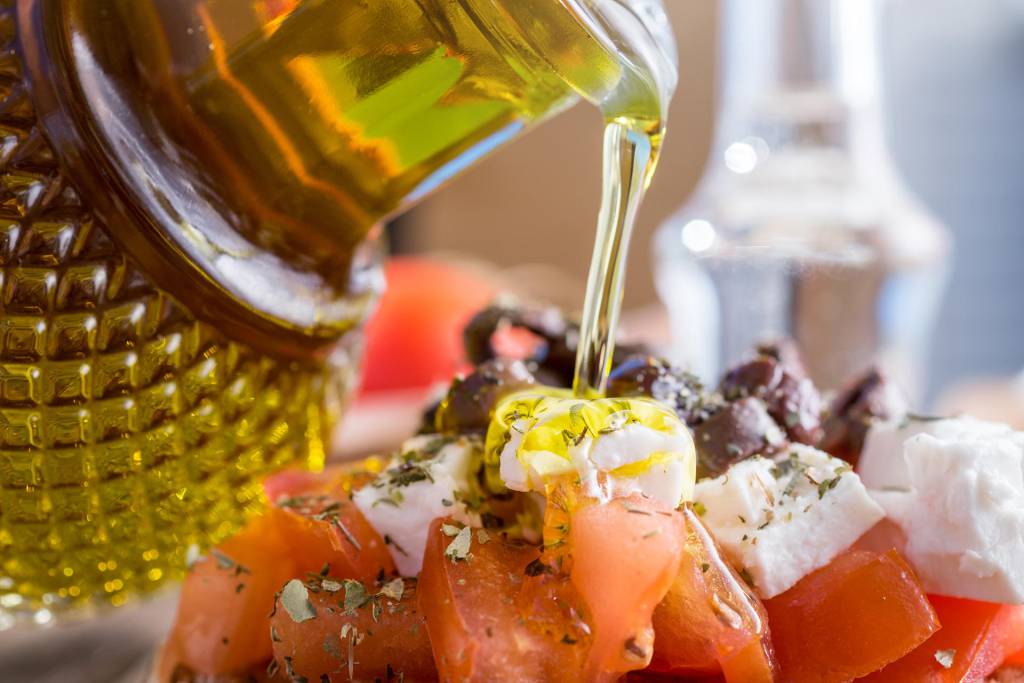
Crete is widely known for its olive oil, which plays a central role in the island’s food culture. It is used generously in everyday cooking, from vegetable dishes and legumes to salads, grilled fish, and traditional recipes passed down through generations.
Extra virgin olive oil is particularly valued for its flavor and production standards. It is obtained using mechanical methods and must meet specific chemical and sensory requirements to qualify for this category. Depending on the olive variety and harvest conditions, its taste may range from mild and fruity to grassy, bitter, and peppery.
How Can You Experience the Olive Harvest in Chania?
The olive harvest in Chania is not simply something to watch from the roadside. With some planning, visitors can arrange experiences that introduce them to the people, places, and processes behind local olive oil.
Join an Olive-Picking Experience
Some local farms offer seasonal experiences in which guests can help harvest olives, visit the grove, and learn how the fruit is processed. Depending on the program, the day may also include a traditional meal, a visit to an olive mill, or a guided tasting.
Visit a Working Olive Mill
If you prefer a shorter visit, an olive mill can be an excellent introduction to the production process. You can learn how the olives are transformed into oil, see the equipment, ask questions about harvesting and storage, and sample local products where tastings are offered.
Taste Fresh Olive Oil and Local Food
An olive oil tasting offers a chance to compare aromas, flavors, and levels of bitterness and pungency. You may also learn how to recognize defects, assess freshness, and pair different oils with food.