

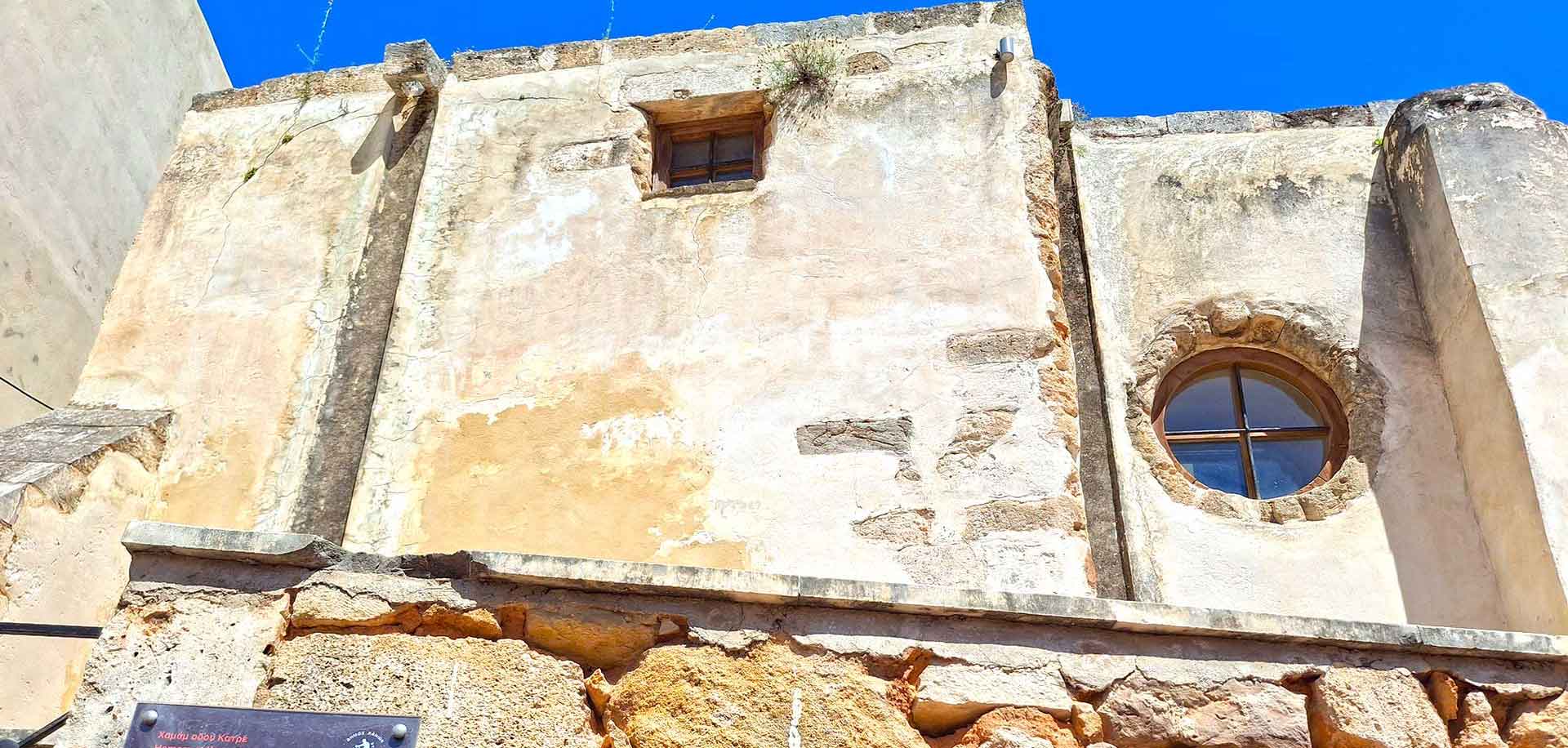
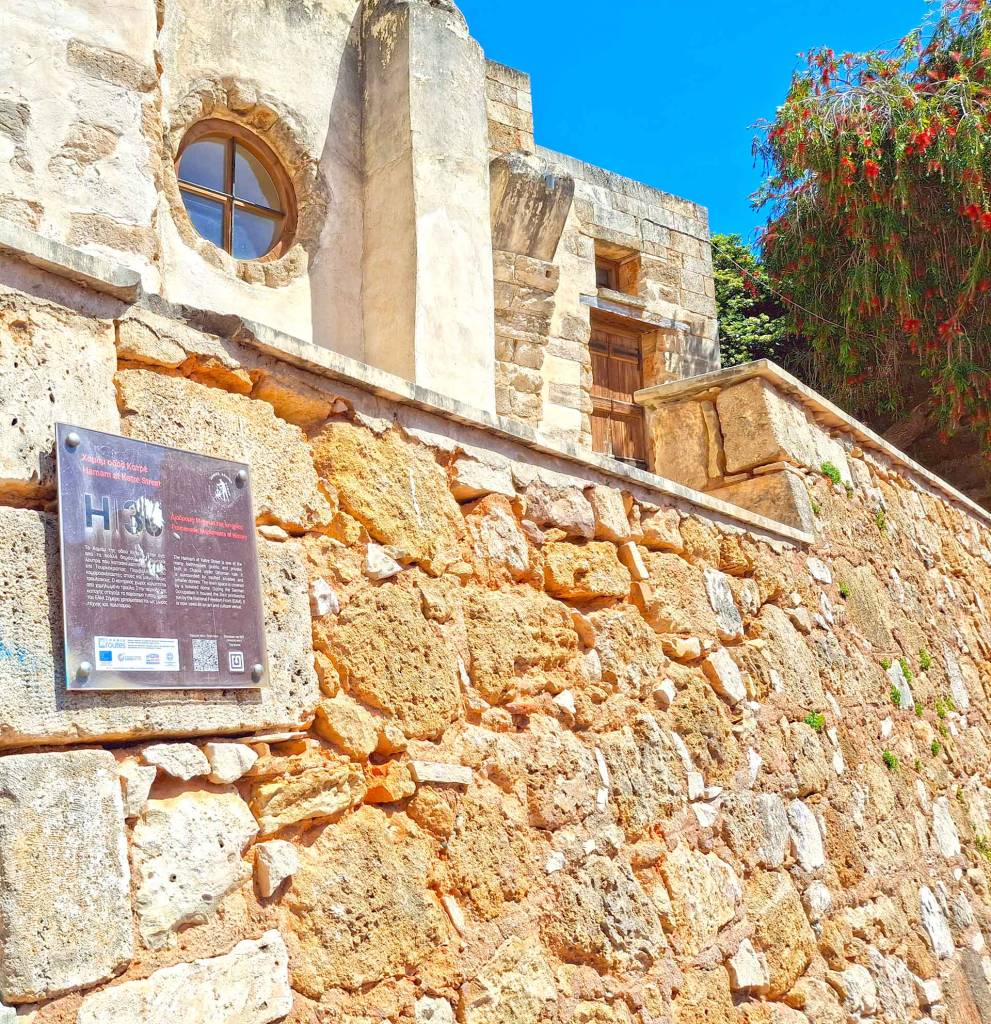
The Turkish Hammam of Katre is one of the few remaining Ottoman-era public baths in Chania and is now thoughtfully repurposed as a cultural venue. Built during Ottoman rule in Crete, it originally operated as a communal bathhouse—one of many hammams that played an essential role in public hygiene, daily routines, and social interaction. Although its purpose has changed over time, the structure still reflects the architectural traditions and cultural influence of the Ottoman period.
From Historic Bathhouse to Modern Cultural Space
Today, the Turkish Hammam of Katre serves as an art gallery, frequently hosting curated exhibitions and creative events. Furthermore, its position on Katre Street in the historic Kastelli district places it at the heart of Chania’s Old Town. This area is surrounded by significant archaeological sites and architectural landmarks, which makes the hammam even more attractive to visitors exploring the deep history of Crete.
Architectural Highlights of the Turkish Hammam of Katre
Architecturally, the hammam showcases several distinctive features. The central hall is crowned by a low dome without a supporting drum, while smaller domes and elegant arched porticos surround the adjoining chambers. Although a second floor once existed, parts of the upper structure and neighboring buildings have since been lost.
Additionally, alongside the Hammam of Katre, three other Turkish baths survive within the boundaries of Chania’s Old Town—further emphasizing the lasting architectural footprint of the Ottoman era in Crete.
Nearby Historical Sites and Attractions
The hammam is conveniently located near several noteworthy historical attractions. For example, visitors can easily reach the remains of the Minoan palace complex of Ancient Kydonia, as well as the Byzantine fortification walls. Moreover, the area sits within walking distance of iconic landmarks such as:
These neighboring sites make the Turkish Hammam of Katre an excellent stop for anyone exploring the layered history of Chania.