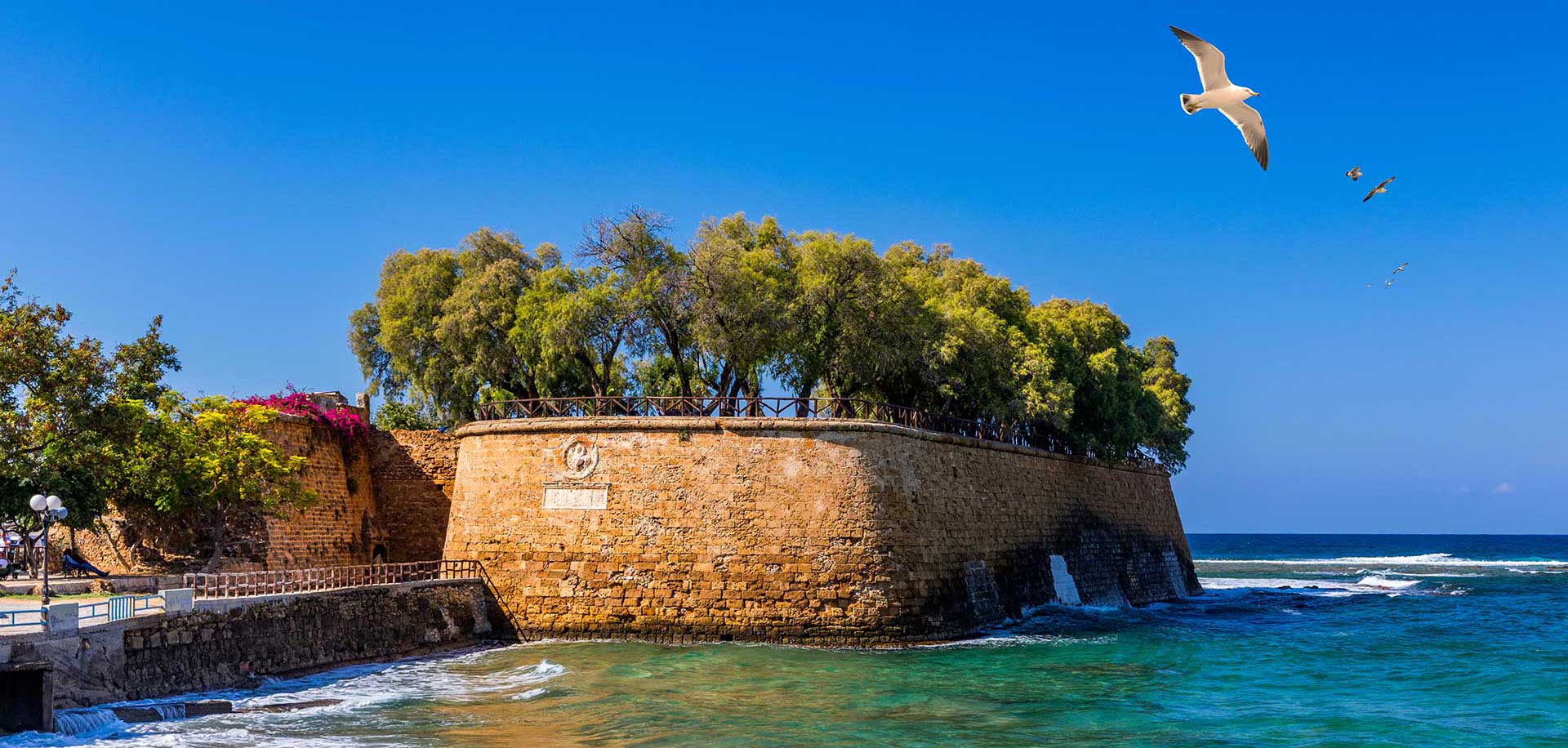
The Sabbionara Rampart is the only surviving gate of the outer fortifications built by the Venetians around Chania in the 16th century. Originally part of a defensive wall begun in the early 1500s and completed in 1590, the fortification had three gates, of which only the Sabbionara Rampart remains. Its Venetian name, meaning “Gate of Sand”, reflects the sandy coastline that once bordered the site in Crete.
Koum Kapi Gate: Venetian Origins and Ottoman Reconstruction
Initially, the entrance was fortified with a heavy wooden door reinforced with iron. During the Ottoman siege of Chania in 1645, the rampart was destroyed and later rebuilt by the conquerors on a smaller scale to strengthen its defenses.
As a result, its appearance changed significantly, and it was renamed ‘Kum Kapisi’, a Turkish term preserving the original sandy reference.
Sabbionara Rampart and the Lion of Saint Mark
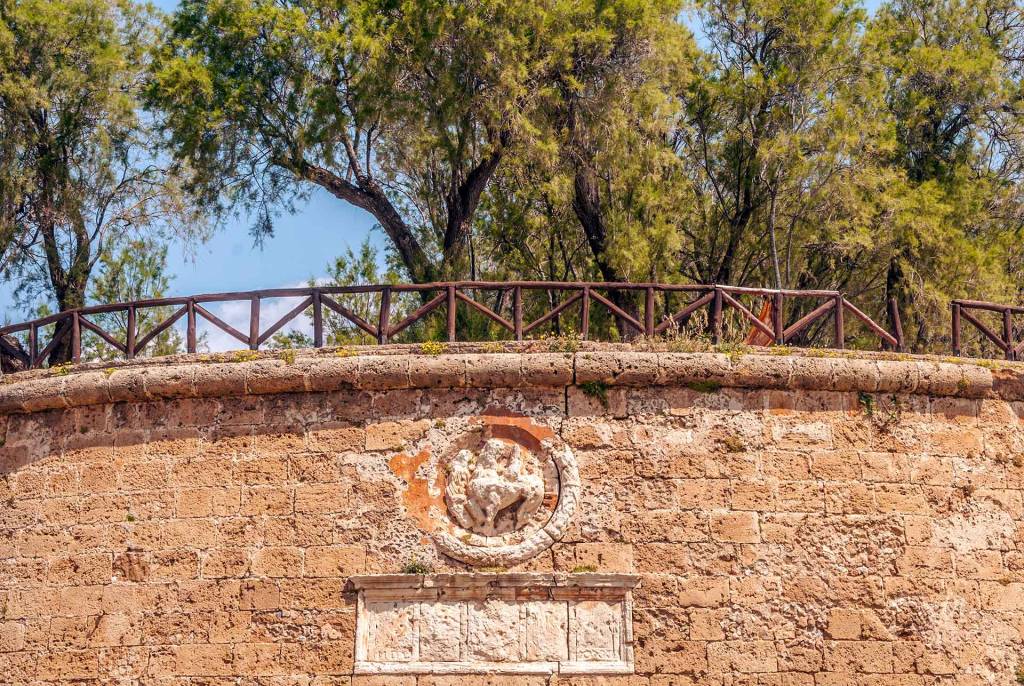
Adjacent to the gate, the rampart stretches into the sea and bears the name of the Venetian official Mocenigo. The southern side displays intricate stone carvings, including the Lion of Saint Mark, various coats of arms, and the year 1591—lasting symbols of its Venetian heritage in Crete.
Cultural Revival at Chania’s Old Port
South of the gate lie remnants of the bastion, which suffered damage during bombings in World War II. Following restoration, this area now serves as a municipal venue for exhibitions and cultural events in Koum Kapi, near the Old Port of Chania. Today, the Sabbionara Rampart not only preserves history but also contributes to the cultural life of Chania.