

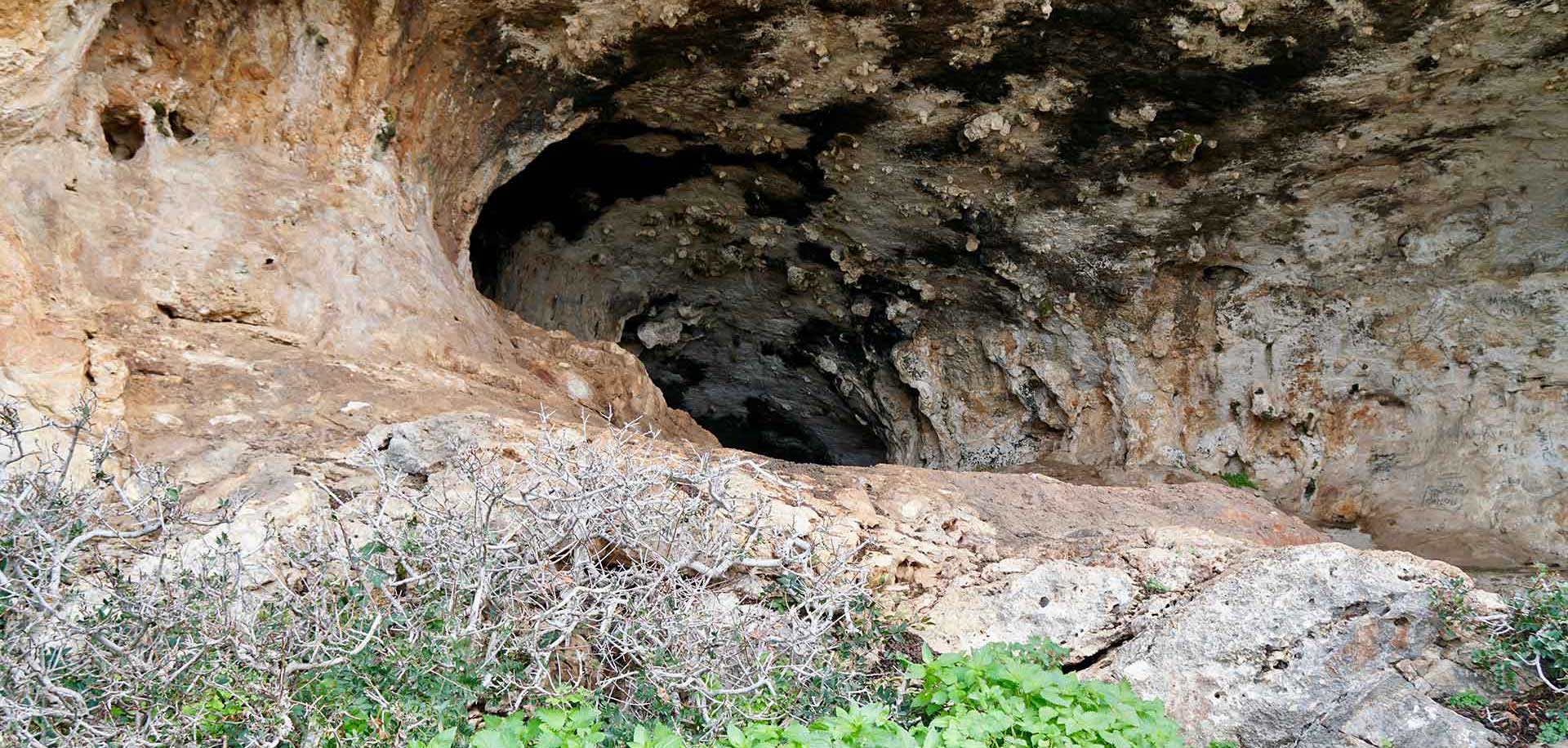
Cave Lera, also known as Lera Cave, is a site of both historical and archaeological importance. Located on the Akrotiri Peninsula and overlooking the scenic Bay of Stavros, this natural wonder perfectly blends geology, mythology, and history.
The cave’s name honors Stefanos Leras, a notable Cretan hero who led local resistance efforts against the Ottomans in Akrotiri from 1821 to 1833. Today, Cave Lera remains one of Akrotiri’s most fascinating landmarks, offering visitors a glimpse into the island’s layered past.
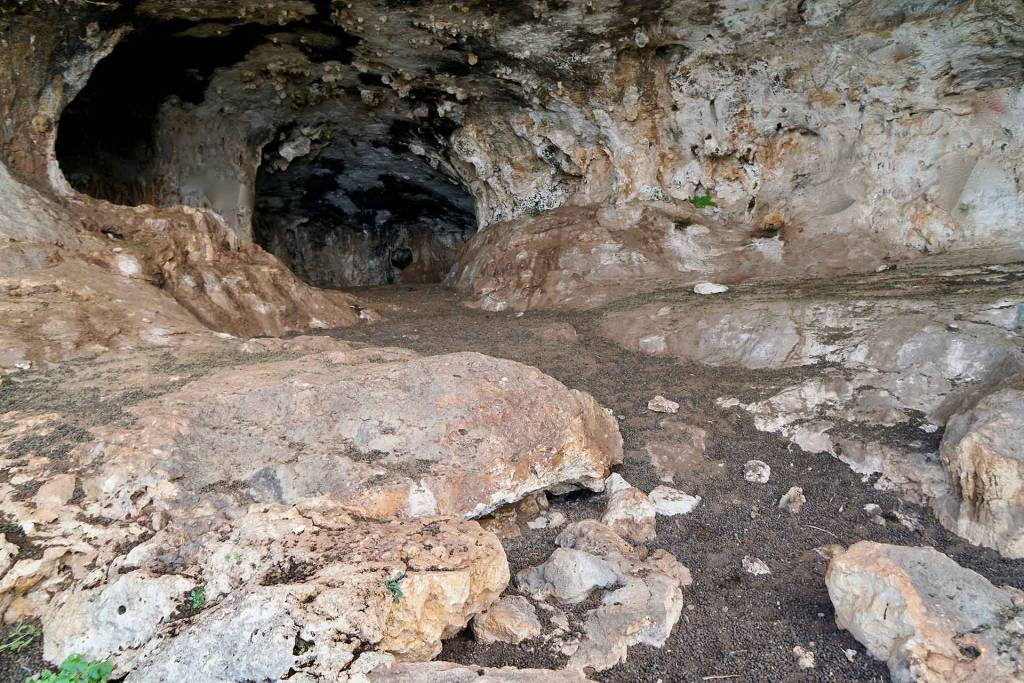
Inside Lera Cave: Natural Beauty and Mystique
Stepping into the cave, visitors encounter an entrance chamber that leads to four distinct rooms, each with unique formations. Some areas display carved niches believed to have served ceremonial or functional purposes.
Moreover, the cave is rich in stalagmites and limestone columns, one of which is famously known for its striking resemblance to an angel’s wing. This natural artistry adds an enchanting touch to the already mystical atmosphere within the cave.
Ancient Rituals: The Sacred Cave of Acacallis and Pan
Beyond its natural formations, Cave Lera in Crete holds deep archaeological significance. Evidence suggests that the cave was used for ritual practices at the end of the Late Minoan period. Findings such as vase fragments, shells, and traces of offerings indicate that ancient Cretans performed ceremonies dedicated to the Nymph Acacallis and the god Pan.
These rituals often took place near a small basin of clear water and around the bases of stalagmites, symbolizing nature’s connection to divine forces. Furthermore, the cave’s sacred role highlights the spiritual traditions of ancient Crete, where worship was often tied to natural landscapes.
Cave Lera and Zorba the Greek
Lera Cave gained international attention in the 20th century when it was used as a filming location for the iconic movie Zorba the Greek, starring Anthony Quinn. Following the film’s success, interest in the cave grew significantly. Between 1951 and 1961, the first archaeological surveys were conducted, eventually leading to formal excavations in 1966.
As a result, Lera Cave in Akrotiri became not only a symbol of cultural heritage but also a cinematic landmark that connects Crete’s ancient past with modern storytelling.