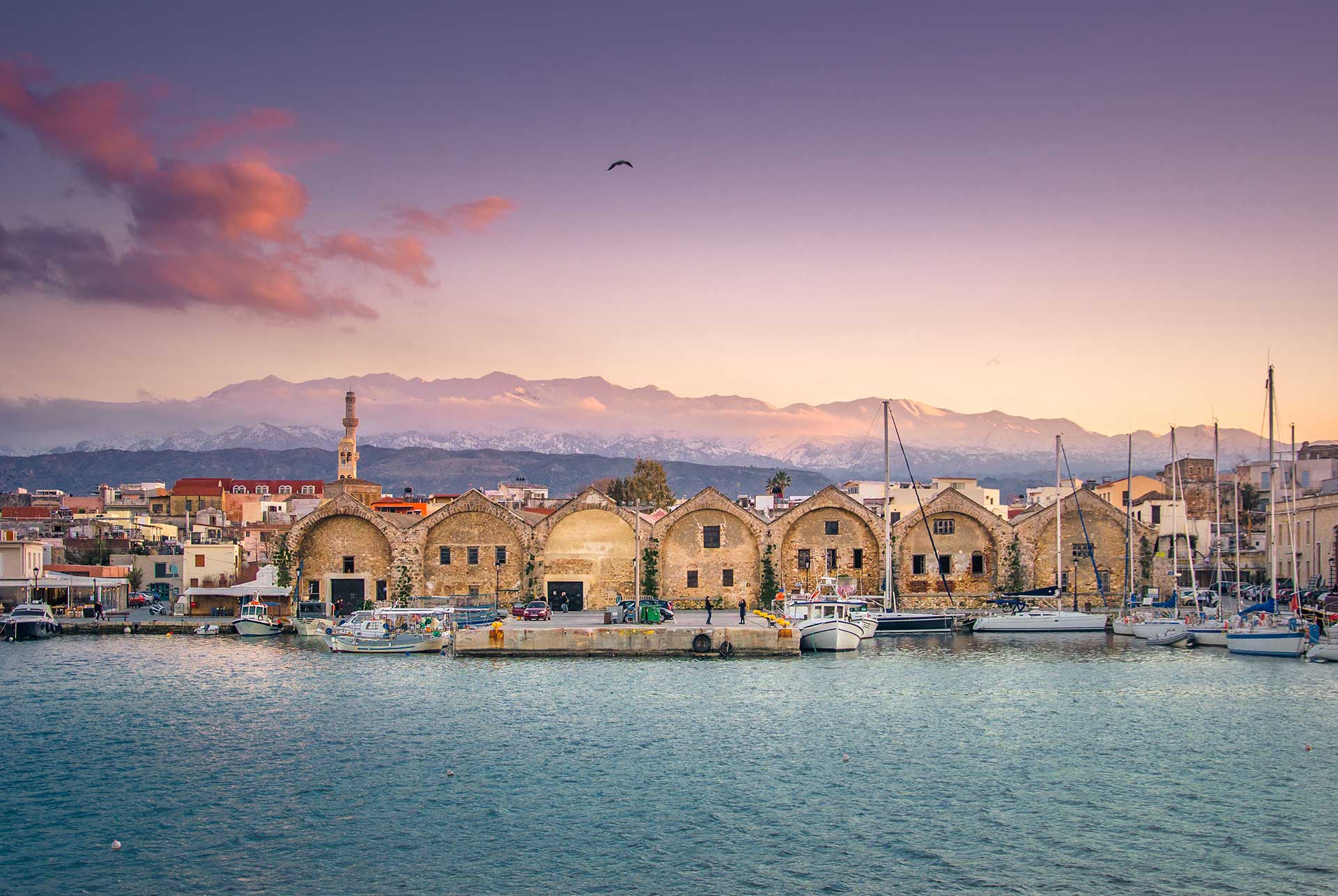
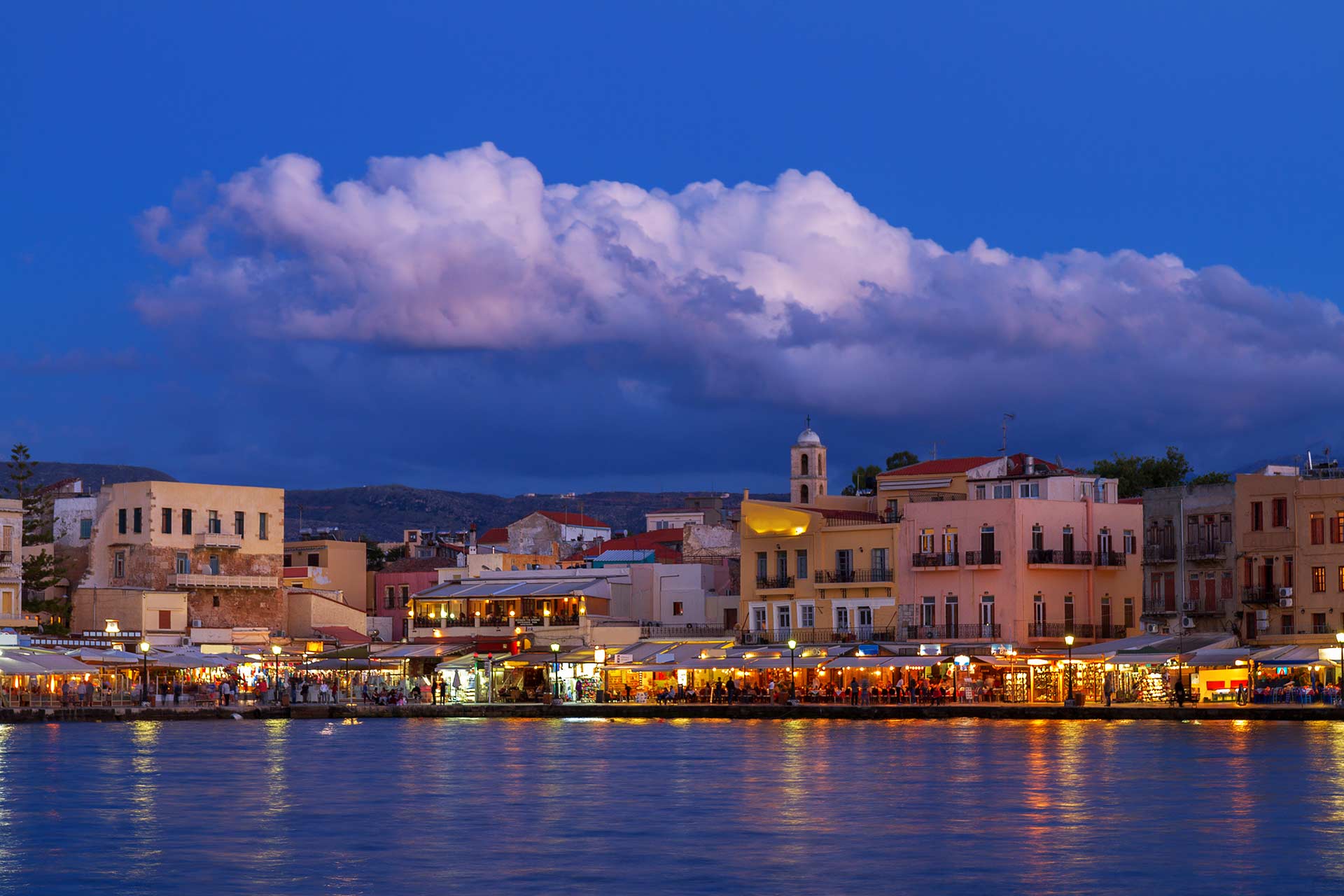
The Crete language, a regional variation of the Greek language, holds a special place in the cultural identity of Chania. While it shares the same grammar and structure as standard Modern Greek—such as that spoken in Athens—it includes unique words, expressions, and pronunciations that are native to Crete. Essentially, the Cretan language reflects centuries of history and local evolution.
The most noticeable difference lies in the melodic, sing-song intonation used by many rural speakers, giving the Cretan dialect its distinctive rhythm and warmth. In everyday life, especially in the city center of Chania, the Greek language spoken is nearly identical to that of Athens, with only the occasional Cretan word or expression appearing in casual conversation.
If you’ve ever wondered what language is spoken in Crete, the answer is straightforward: the Greek language is the official and primary language across the island. However, Crete’s language has its own local charm, with subtle variations that distinguish it from standard Greek.
For example, certain traditional words, idioms, and pronunciations have been preserved for generations, especially in rural areas. Moreover, these differences highlight the deep connection between language and identity that defines life on the island.
Language as a Reflection of Cretan Culture
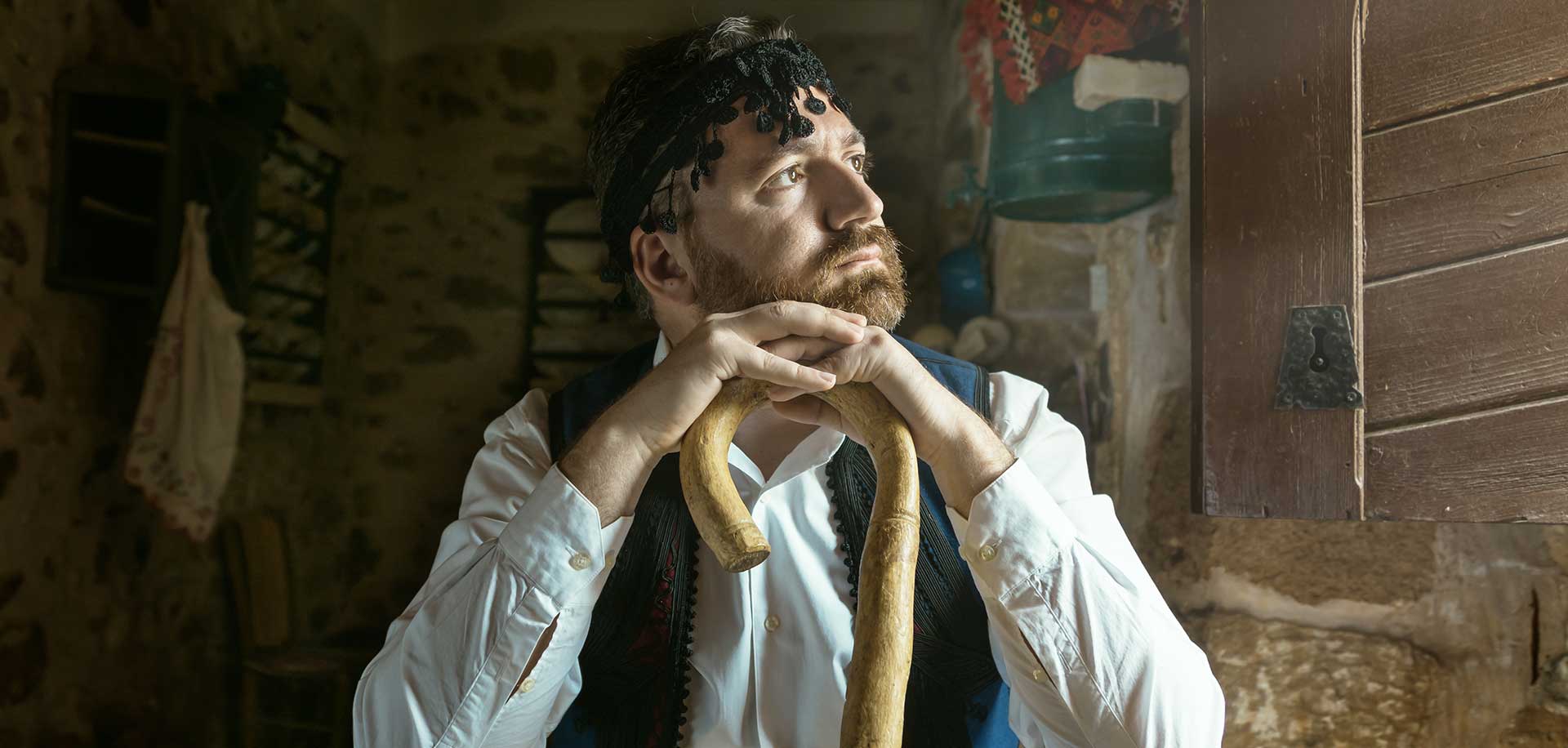
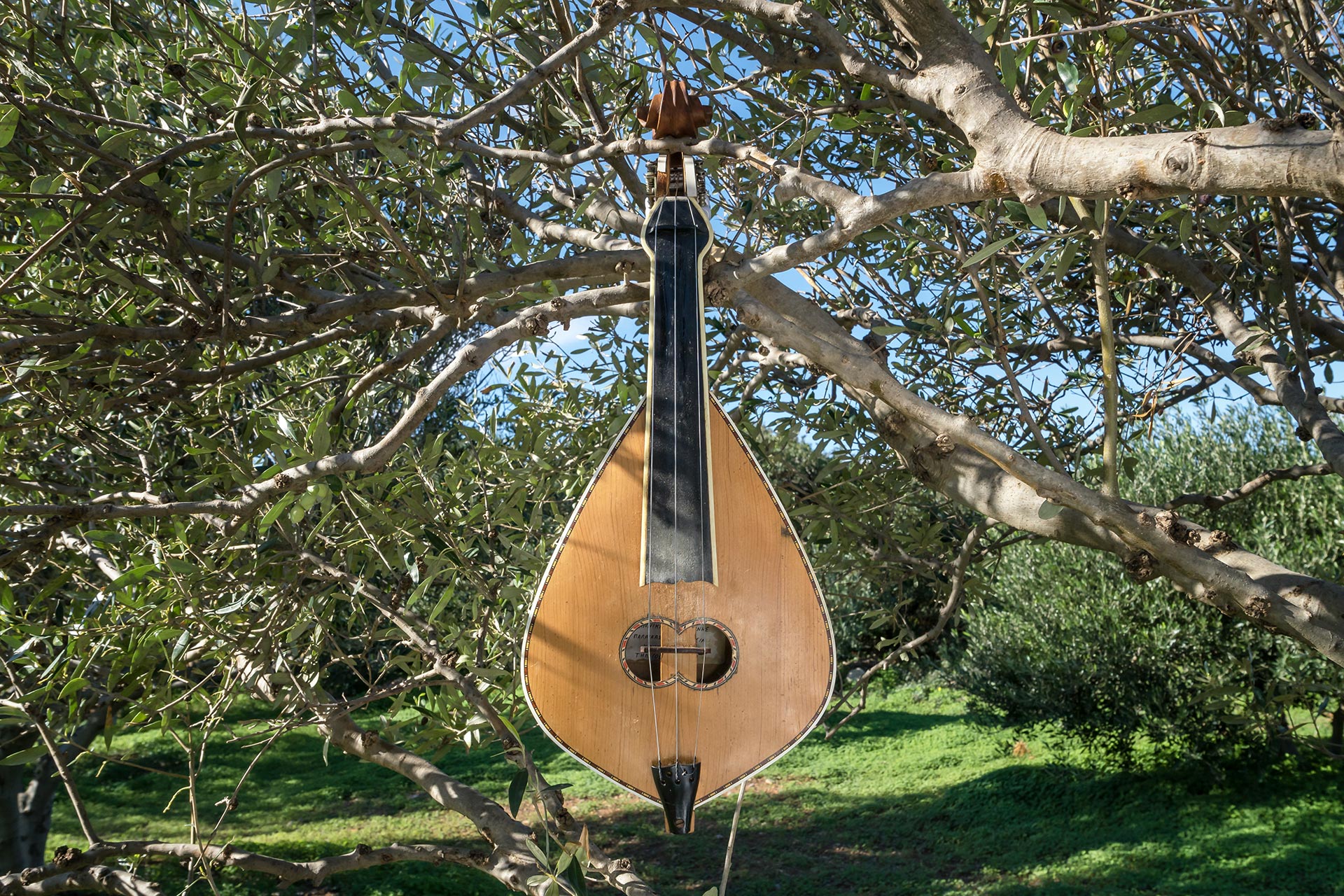
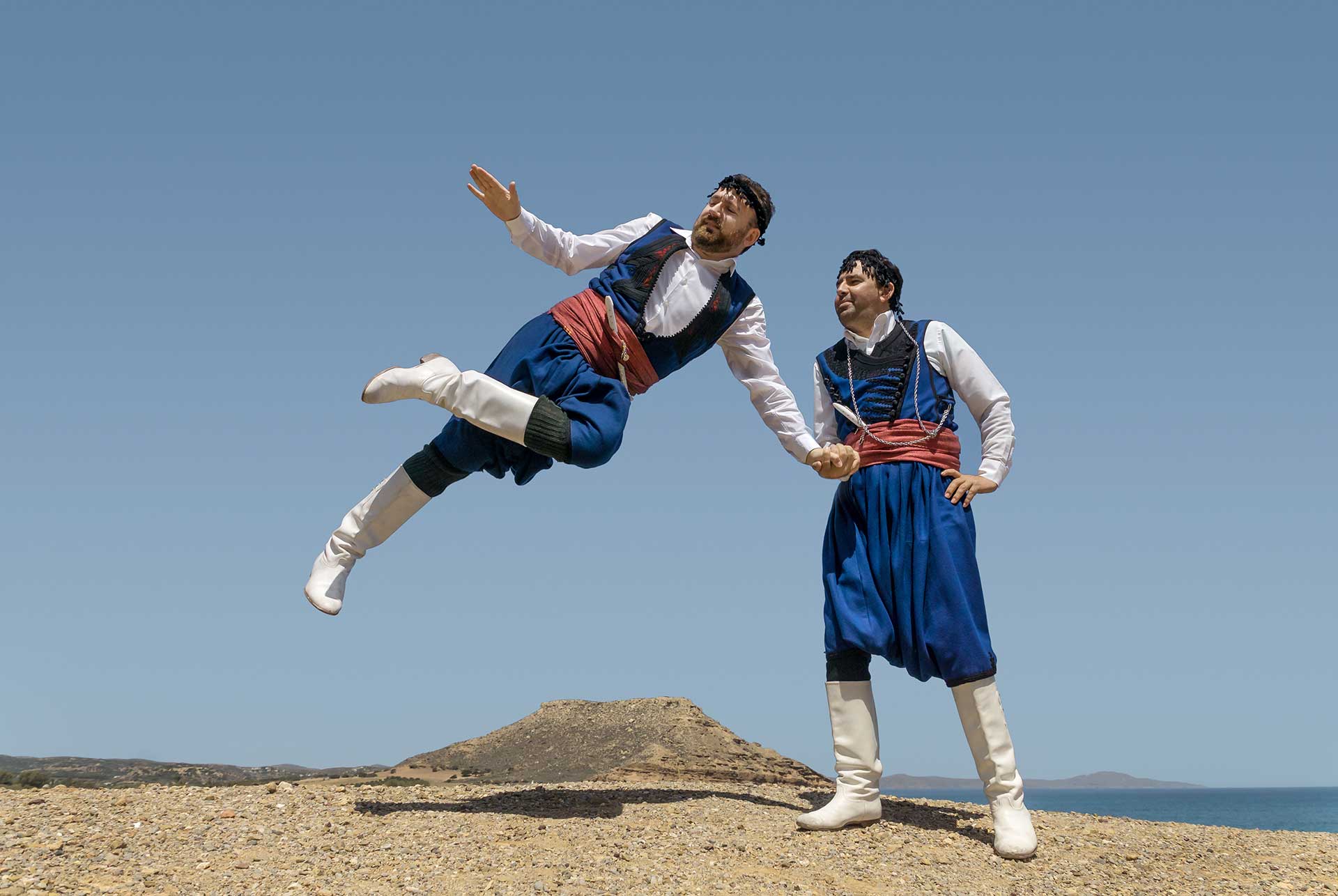
Despite the strong similarities with standard Greek, the Cretan language remains an important cultural symbol. It often appears in traditional songs, folk poetry, and mantinades—short, rhyming couplets that express emotion, humor, or wisdom.
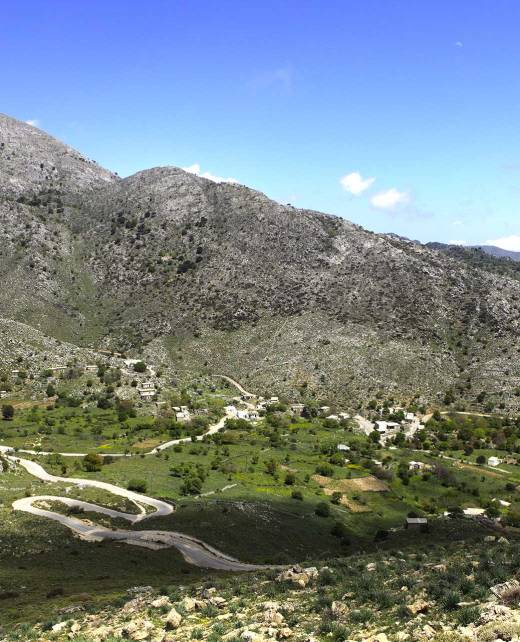
In central Chania, you may not hear the full Cretan dialect in daily use, but it continues to thrive in the villages and mountain communities surrounding the city. Here, among older generations, the Crete language is cherished as a living link to the island’s past and a reflection of its people’s pride.
Preserving the Crete Language Across Generations
Although younger Cretans usually speak standard Greek, many families, schools, and cultural groups in Chania are making efforts to preserve the Cretan language. In particular, festivals, local schools, and folklore clubs often include elements of the Cretan dialect in their programs to keep it alive. Furthermore, even Cretans living outside the island—such as in Athens or abroad—strive to maintain their linguistic roots. Within these communities, the Crete language serves as a way to stay connected to family heritage, history, and the cultural heart of the island.
Ultimately, the preservation of the Cretan language is about more than words—it’s a celebration of identity, resilience, and pride that continues to define Crete and its people.