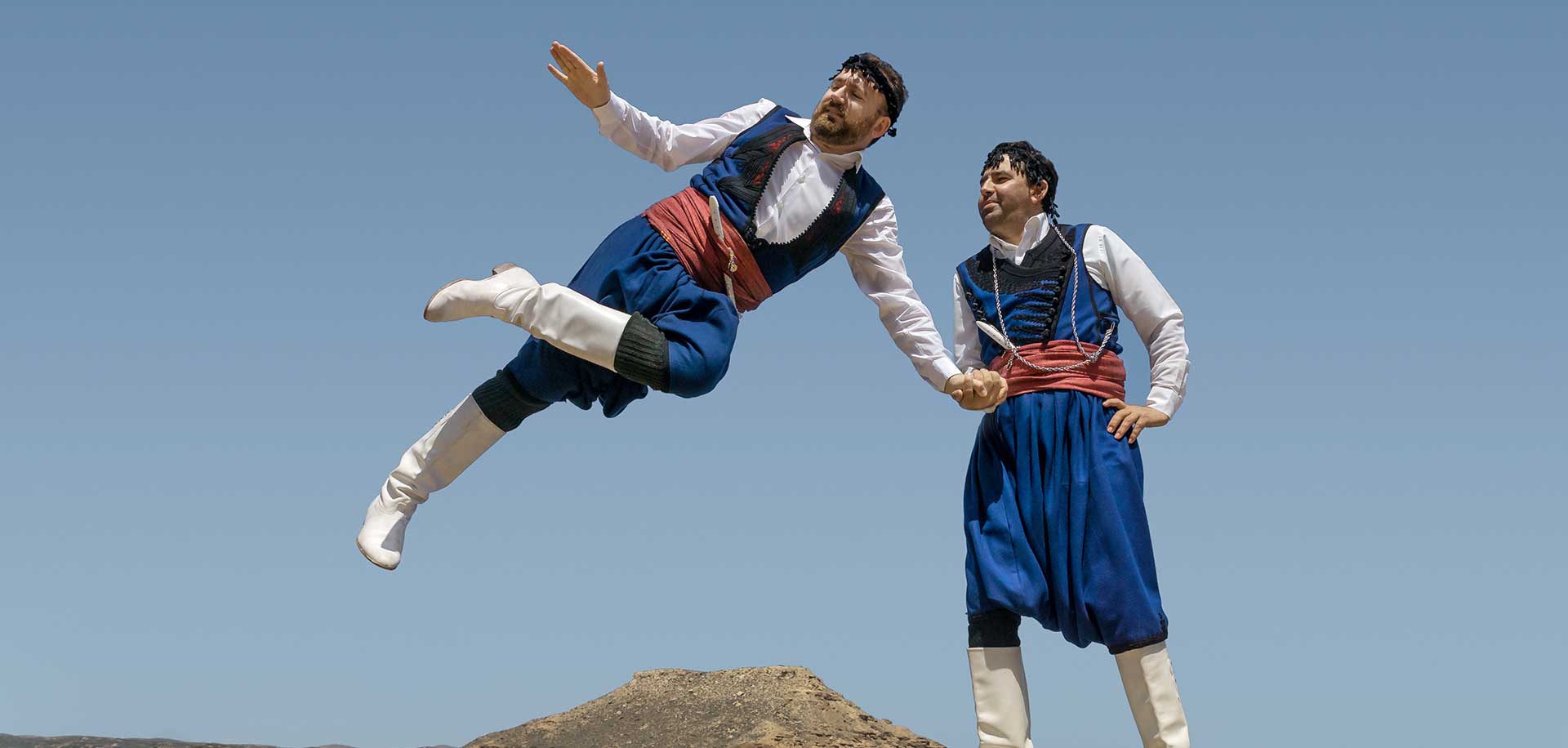
Cretan traditional dances in Chania are a vibrant expression of Cretan culture, deeply rooted in the island’s history and identity. Indeed, these dances are not only a form of entertainment but also a meaningful way to preserve traditions, pass down values, and connect generations. Moreover, the rhythmic movements and spirited music reflect the pride, resilience, and joyful spirit of the people of Chania and Crete as a whole.
In addition, Cretan dances are often performed during festivals, religious celebrations, weddings, and other social gatherings, showcasing their integral role in the everyday life of the locals. Therefore, each performance becomes both a social event and a celebration of heritage, uniting people through the timeless art of Cretan dance.
A Brief History and Popular Types of Cretan Dances
Historically, Cretan dances date back to ancient times, with influences from the Minoan, Byzantine, and Venetian eras. Over the centuries, they have evolved into various styles, each representing different parts of Crete and carrying its own unique rhythm and symbolism.
Among the most well-known dances are the syrtos, the lively pentozali, the graceful sousta, and the proud maleviziotis. In particular, the pentozali dance stands out as one of the most iconic forms of Cretan dance, symbolizing bravery and freedom. Furthermore, these dances often tell stories of love, battle, and community spirit, making them an essential part of Greek dance heritage.
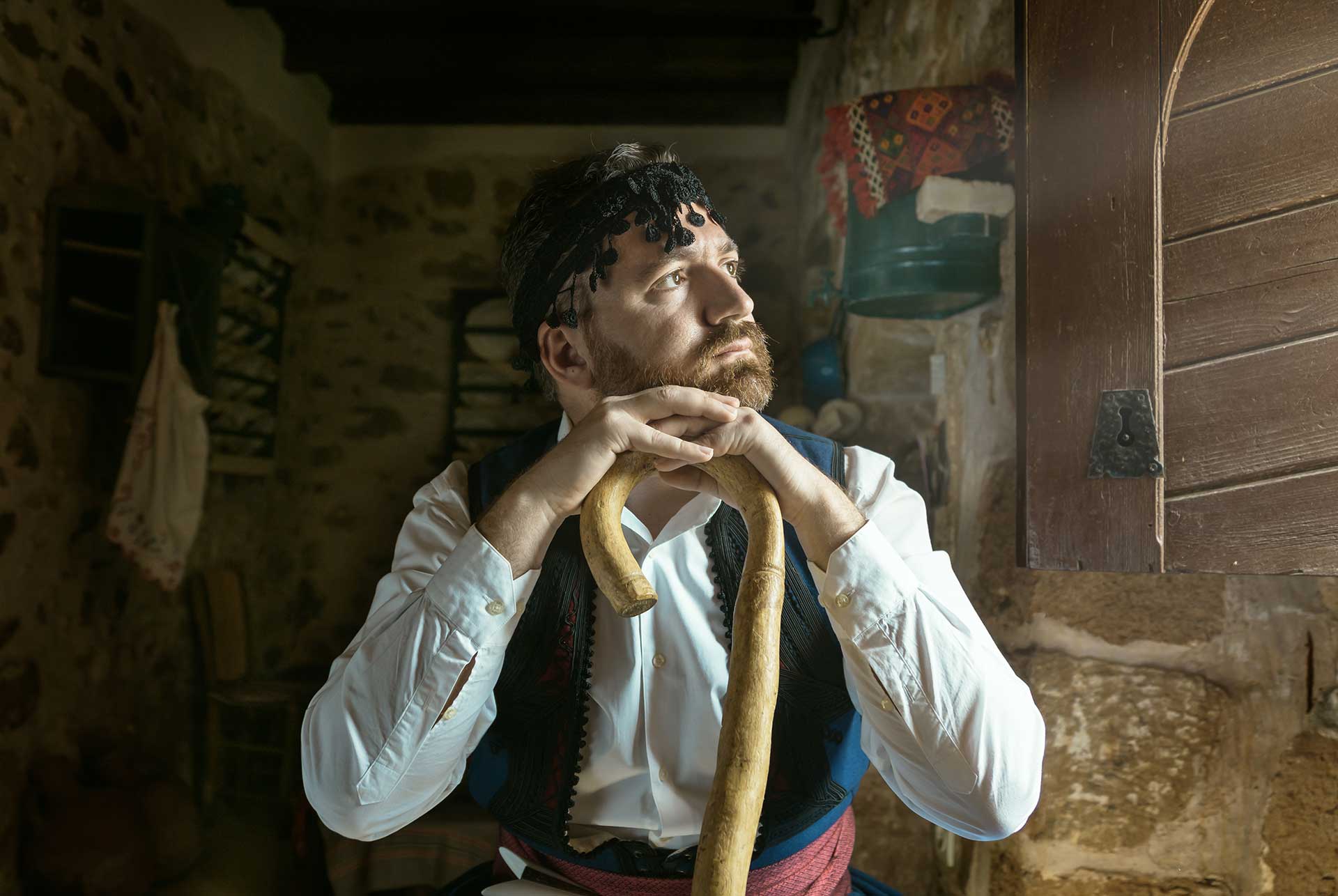
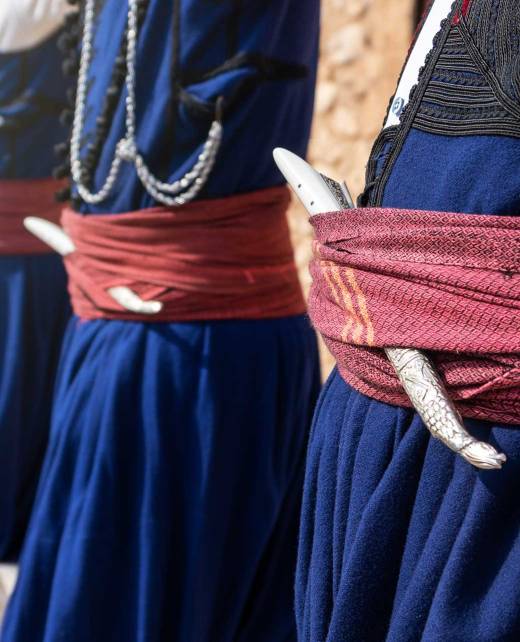
Equally important, the traditional clothing worn by dancers adds to the visual richness of each performance. Men typically wear the vraka (baggy trousers), boots, and a waistcoat, while women dress in elegant embroidered dresses and headscarves. Together, the costumes, music, and movement create a powerful visual and emotional experience that reflects Crete’s cultural depth.
Dance Schools and Cultural Clubs in and Outside of Crete
In Chania, dancing is much more than a pastime—it is a way of life. From an early age, many locals attend dance schools to learn these traditional movements and to understand their cultural meanings. Furthermore, even Cretans who have moved away from the island often join Cretan dance clubs in cities like Athens or abroad, maintaining a strong connection to their roots.
These schools and clubs not only teach the technical aspects of dance but also foster a sense of community, pride, and continuity. As a result, the art of Cretan and Greek dance continues to thrive both within Crete and beyond, passed down from one generation to the next.
Cretan Dance at Panigiria and Weddings
Dance plays a central role in celebrations across Crete. During the lively summer festivals (panigiria), locals and visitors gather in village squares to dance, enjoy traditional food, and celebrate life. Meanwhile, weddings are another major occasion where traditional Cretan dances, including the pentozali dance, are performed with passion and enthusiasm.
Often, the celebrations continue late into the night, with people of all ages joining hands in the dance circle. Thus, these joyous moments highlight how dance remains a living, breathing part of Cretan culture. Ultimately, the unity and energy felt in these gatherings reflect the enduring power of Cretan dance as a symbol of community and identity.
Dance Workshops for Tourists in Chania
For visitors to Chania, traditional dance workshops offer an unforgettable way to experience the island’s culture firsthand. In these sessions, tourists can learn basic steps of popular dances such as the syrtos and pentozali, while discovering the meaning behind each movement.
Moreover, participants gain a deeper appreciation for the music, rhythm, and emotion that define Cretan dance. By engaging directly with locals, travelers not only enjoy a fun activity but also connect more intimately with the island’s heritage. In essence, these workshops transform the appreciation of Greek dance from a spectator experience into an authentic cultural exchange.